Short answer
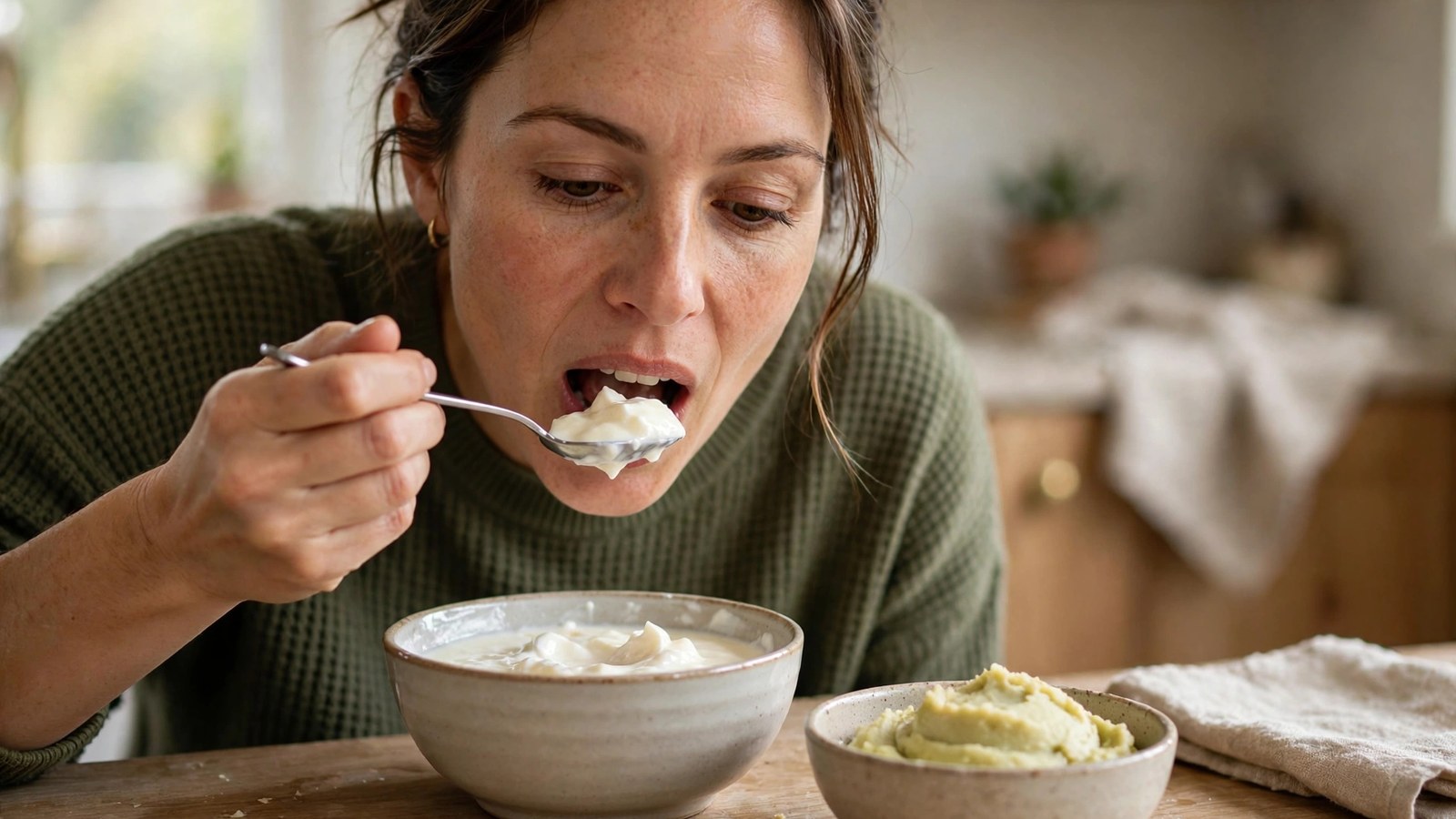
- After a tooth extraction, what you eat changes day by day. In the first 24 hours, eat cool or lukewarm liquids and very soft foods that need no chewing, such as water, broth, smooth soup, plain yogurt, applesauce, and ice cream eaten with a spoon. On days 2 to 3, move to soft foods with a little more substance, such as scrambled eggs, oatmeal, mashed potatoes, soft pasta, and well cooked vegetables that mash with a fork. On days 4 to 7, add soft solids that need only light chewing, such as tender fish, shredded chicken in a sauce, soft sandwiches without crusts, and soft rice dishes served with care. In week 2, most people with an uncomplicated recovery work back toward normal eating, bringing chewy foods back before hard and crunchy ones, which return last. At every stage, protect the blood clot that forms in the socket. Do not drink through a straw, do not eat very hot food or drink, and avoid hard, crunchy, sticky, seedy, and very spicy or acidic foods until your dentist advises otherwise. The American Association of Oral and Maxillofacial Surgeons (AAOMS), through its patient site MyOMS, gives the same basic pattern: eat soft food, drink plenty of liquids, do not use a straw in the first days, and avoid hard, crunchy foods and smoking. This article is general aftercare information only, not a diagnosis or a prescription for your case. Recovery varies with the tooth removed, how difficult the extraction was, and your own health, so follow your own dentist's instructions wherever they differ from this guide. For the wider picture of food categories and textures, see our general guide to what to eat after a tooth extraction. This article keeps the focus on timing: what fits on which day, and how to tell when you are ready for the next stage.
How to Use This Guide: Days Are a Guide, Not a Deadline
The stages below follow the typical pattern in aftercare guidance from the NHS, Mayo Clinic, the AAOMS, and university dental schools, which do not all set the same pace. Virginia Commonwealth University (VCU) School of Dentistry tells patients to eat soft, cool foods on the day of surgery and resume a normal diet the next day or when it feels comfortable. AAOMS guidance is more gradual: a soft diet for the first few days, with solids introduced slowly once eating feels comfortable. The NHS sets no day counts, advising soft or liquid food until you can chew more comfortably, within a recovery that can run up to two weeks.
Read the day headings as the middle of that range, not as promises. A straightforward extraction may move faster; an impacted lower wisdom tooth, or several teeth at once, will usually move slower, and each socket heals on its own schedule. The deciding test is comfort plus your dentist’s advice: if chewing a new food pulls at the socket, causes sharp pain, or leaves the area throbbing afterward, step back a stage for another day. If your written aftercare sheet gives different days, your sheet wins. Follow your own team if you had sedation or a general anesthetic, since grogginess makes swallowing less safe, or if a condition or medicine affects healing or blood clotting and your dentist set a longer soft food period.
Why Food Choices Matter While a Socket Heals
After a tooth is removed, a blood clot forms in the empty socket. The NHS explains that the clot forms over the wound and helps it heal, and Mayo Clinic describes it as a protective layer over the underlying bone and nerve endings, containing cells needed for proper healing. Almost every food rule below exists to protect that clot while it is most fragile.
Food can disturb the clot in four main ways. Hard or crunchy food can injure the site and break into sharp fragments that lodge in the socket. Suction, from a straw or from smoking, can pull at the clot. Very hot food and drink can increase bleeding, and a numb mouth cannot judge temperature, adding a scald risk. Small pieces such as seeds, nuts, and popcorn hulls can slip into the socket. If the clot does not form, comes out, or dissolves too early, the result can be dry socket, a painful condition in which bone and nerves are left exposed, covered below.
The second reason is nutrition: healing tissue needs energy and protein. Each stage below aims to be soft enough to leave the socket alone and substantial enough to count as real meals.
The First 24 Hours: Cool, Soft, and Almost No Chewing
The first day is the most restricted stage, and it is short. Wait until numbness fades before eating anything that needs care. Mayo Clinic advises being careful with hot and cold liquids and with biting your cheek until the numbness wears off, because it is easy to bite a numb cheek, lip, or tongue without feeling it. Follow your dentist’s directions about gauze and bleeding before your first food or drink. VCU Dentistry suggests taking the first dose of pain medicine with a full glass of water and soft food if tolerable, before numbness wears off; follow your prescription instructions where you have them.
Good choices for the first 24 hours include:
- Water, in small, frequent sips from a cup or glass, never through a straw.
- Cool or lukewarm broth and smooth, thin soups with no chunks.
- Plain yogurt, smooth and without seeds, granola, or crunchy additions.
- Applesauce and other smooth fruit purees without seeds.
- Mashed banana and ripe avocado, mashed until smooth.
- Pudding, custard, gelatin desserts, and ice cream or frozen yogurt eaten with a spoon, if the cold feels soothing.
- Smoothies and milkshakes eaten with a spoon, made with seedless fruit such as banana or mango.
- Mashed potato thinned with milk or broth, served lukewarm rather than hot.
Keep portions small and frequent. Soreness, a stiff jaw, and tiredness make large meals unrealistic on day one.
Three habits matter as much as the menu today. First, no straws and no vigorous rinsing or forceful spitting, because suction and pressure can disturb the forming clot. Second, nothing very hot: the NHS advises against very hot drinks in early recovery to reduce the risk of bleeding or scalding. Third, chew nothing on the extraction side. A little blood mixed with saliva is common early on and can look alarming. If bleeding is heavy, press on the area with a clean cloth or gauze as directed; the NHS suggests pressing for at least 10 minutes. Bleeding that does not stop needs prompt advice, as the warning signs section below explains.
Days 2 to 3: Soft Foods With More Substance
On days 2 and 3 the menu widens slightly; these are often the sorest days. VCU Dentistry tells patients to expect pain and swelling to increase over the first 48 hours and then slowly decrease, and the NHS notes that pain and swelling usually start to improve after one or two days, while chewing and swallowing may still be uncomfortable. A stiff, aching jaw is the practical limit: choose foods that fall apart easily and need only gentle chewing, mostly on the opposite side.
Soft foods that usually fit days 2 and 3 include:
- Scrambled eggs, cooked softly.
- Oatmeal and other cooked cereals, served warm rather than hot.
- Mashed potatoes and mashed sweet potatoes.
- Soft pasta, well cooked, with a smooth sauce and no crisped edges.
- Well cooked vegetables that mash with a fork, such as carrots, squash, and soft peas.
- Cottage cheese and other soft cheeses.
- Soft, flaky fish with all bones carefully removed.
- Hummus and smooth bean purees, mildly seasoned rather than spicy.
- Blended soups and smooth vegetable purees.
From the day after the extraction, gentle rinsing becomes part of the routine in most guidance, but details vary between teams, so use the recipe and schedule your dentist gave you where you have one. Mayo Clinic suggests rinsing with warm salt water several times a day for a week after the first 24 hours, mixing half a teaspoon of table salt in 8 ounces of water. VCU Dentistry gives a similar mix, half a teaspoon of salt in a tall glass of warm water, gently swished after meals for four days. The shared points matter more than the exact count: start after the first day, keep it gentle, never rinse vigorously, and brush your other teeth carefully, keeping away from the extraction area at first, as the NHS and AAOMS advise.
Keep avoiding alcohol, smoking, and very spicy or acidic foods, because they irritate healing tissue, and smoking also raises the risk of infection and dry socket. If pain worsens after first improving, do not assume it is a food problem; read the dry socket section below, because days 2 and 3 sit inside the window when dry socket pain usually begins.
Days 4 to 7: Soft Solids and a Wider Menu
From about day 4, many people can handle soft solids needing only light chewing. AAOMS describes this pattern across the first week: soft foods that are easy to swallow and do not require a lot of chewing, with solid foods introduced slowly when comfortable. This stage is a gradient, not a deadline. If a food needs real chewing pressure, it belongs to week 2.
Foods that often join the menu on days 4 to 7 include:
- Soft sandwiches with smooth fillings, crusts removed, and no crunchy additions inside.
- Pasta and noodle dishes with smooth sauces, cooked until fully soft.
- Tender chicken, shredded or cut very small, served in a sauce or gravy rather than dry.
- Tender tofu and soft bean dishes without whole beans needing firm chewing.
- Pancakes and soft muffins without nuts, seeds, or hard crusts, once chewing feels easy.
- Soft rice dishes, with the caution explained below.
- Steamed or well cooked vegetables with a little more texture.
Rice deserves its own note, because guidance differs. Soft rice in a sauce is a common soft solid later in the first week, but small grains can collect in a socket. Serve it soft and in small amounts, chew on the opposite side, and rinse gently after eating. If grains keep collecting, or your aftercare sheet says to wait on small foods, leave rice until week 2. Peas, corn, and other small round foods raise the same issue.
Slow cooked food suits this stage well, because long, moist cooking makes meat and vegetables tender without chewing effort. For ideas that fit a soft texture, our roundup of easy dinner ideas built around crockpot meals and soups includes slow cooker options cooked until fully soft and served lukewarm. Keep seasoning mild and temperatures lukewarm until soreness settles, and keep avoiding popcorn, nuts, seeds, chips, crackers, and sticky sweets. AAOMS notes that after about a week the site begins to regenerate new tissue to close it, which is why this stage often feels like a turning point. Day 5, the day many people search for, usually sits in the middle of this window: a wider soft diet than day 2, but not yet a normal one.
Week 2 and Beyond: Working Back to Normal Food
In the second week, most uncomplicated recoveries allow something close to normal eating. The NHS frames recovery over up to two weeks, with pain, swelling, bruising, and jaw stiffness improving across that period. AAOMS describes an initial healing phase of one to two weeks, when new tissue begins to close the site, followed by a further two to four week phase in which symptoms should continue to subside.
Work back gradually, not all at once. Reintroduce firmer foods one type at a time, in small amounts, and chew on the opposite side first. Bring back chewy foods, such as tender steak pieces, chewy breads, and dried fruit, before the hardest foods. Bring back crunchy and sharp foods, such as chips, nuts, hard crackers, raw carrots, and popcorn, last, only when the socket feels comfortable and your dentist has no objection. Keep rinsing gently after meals while food still collects near the socket. Use an irrigation syringe only if your dental team gave you one, and only from the stage they specified.
If one side still hurts in week 2, eat softly on that side and raise it at your follow up appointment or with a call to the practice. A socket still very sore, or eating still difficult, deserves advice rather than persistence. Needing longer on soft foods after a difficult extraction is common. Our general guide to what to eat after a tooth extraction covers the food categories and texture rules that apply once the day by day schedule ends.
Eating Enough: Protein, Energy, and Fluids at Every Stage
A soft diet fails when it is only sweet, low protein food. Healing tissue needs energy and protein, and oral surgery diet instructions stress regular meals, adequate fluids, and not skipping meals. Choose protein carrying soft foods at most meals, from your current stage, with no special product needed.
Good soft protein sources include eggs, yogurt, cottage cheese, milk or a tolerated milk alternative, hummus, soft fish, and blended soups made with lentils or beans cooked until completely smooth. From the soft solids stage, shredded chicken, ground meat in a soft sauce, tender tofu, and soft meatballs join the list. Simple combinations help: yogurt in mashed potato, or beans blended into soup.
Fluids matter just as much. Mayo Clinic advises drinking lots of water after surgery, and AAOMS likewise advises drinking plenty of liquids. Water is the default drink throughout recovery: no sugar, no acid, no carbonation, and no temperature risk when served cool. Sip regularly from a cup or glass, not a straw, as the avoid list below explains. Mayo Clinic also advises avoiding alcoholic, caffeinated, carbonated, and hot beverages. For hydration at work once recovery is over, see our article on hydration and healthy snack swaps for workdays.
Skipping meals has a second cost: pain medicines are often harder to tolerate on an empty stomach. Follow your prescription instructions about taking medicine with food, and tell your dental team if nausea or soreness stops you eating or drinking adequately. Not being able to eat or drink enough is a reason to call the practice, not a problem to push through.
Foods and Habits to Avoid, and Why
The avoid list is consistent across the NHS, Mayo Clinic, AAOMS, and university guidance checked for this article. Most items can return once your dentist advises a normal diet.
- Straws and suction. Do not drink through a straw in the early days, and avoid other strong sucking actions, because suction can dislodge the blood clot. Guidance differs on duration: AAOMS says the first few days, Mayo Clinic says at least a week.
- Very hot food and drink. Heat can increase bleeding, and a numb mouth cannot judge temperature, adding a scald risk. Serve food lukewarm or cool at first.
- Hard and crunchy foods. Chips, nuts, hard crackers, crusty bread, hard candy, ice, and raw carrots can scrape the site. The NHS says to avoid hard or crunchy food and food that could get stuck, such as nuts or seeds.
- Small seeds, popcorn, and small hard pieces. Sesame seeds, berry seeds, and popcorn hulls can slip into a socket and stay there. Delay them longest, along with the crunchiest foods.
- Spicy and acidic foods. Spicy dishes, citrus, vinegar heavy dressings, and tomato based sauces can sting exposed tissue.
- Sticky and very chewy foods. Caramel, taffy, chewing gum, and tough meats pull at healing tissue and demand prolonged chewing.
- Alcohol. Avoid alcohol during early healing. The NHS links it with increased bleeding risk, Mayo Clinic advises avoiding it for as long as your team recommends, and it can mix badly with prescribed pain medicines.
- Smoking and vaping. The NHS states that smoking can increase infection risk. Mayo Clinic advises not smoking for at least 48 hours after surgery, and for as long as possible after that, because tobacco slows healing and raises complication risk, including dry socket.
- Vigorous rinsing, forceful spitting, and poking at the socket. These threaten the same clot. Rinse and spit gently, and never dig at a socket with a finger, toothpick, or utensil.
When in doubt, ask whether a food needs forceful chewing, or is hot, sharp, sticky, spicy, acidic, or full of small pieces. If yes, it can wait.
Dry Socket and Warning Signs: When to Contact Your Dentist
Dry socket is the complication most closely tied to eating and drinking choices. Mayo Clinic explains that it happens when the blood clot at the extraction site does not form, comes out, or dissolves before the wound has healed, exposing bone and nerves, and that pain usually begins one to three days after the removal. The American Dental Association (ADA), through MouthHealthy, describes the same event in plain terms: the clot is displaced, leaving bone and nerves exposed, and the dentist should be notified.
The pattern matters more than any single sign. Mayo Clinic lists severe pain within a few days of the removal, loss of part or all of the clot so the socket may look empty, visible bone, pain spreading to the ear, eye, temple, or neck on the same side, bad breath or a foul odor, and a bad taste. The key point is direction: ordinary soreness should be manageable with the pain relief your dentist recommended and should lessen with time, while dry socket pain typically arrives or sharply worsens after an initial improvement. Treatment is provided by the dentist, not by diet: the ADA describes cleaning the site and placing a medicated dressing in the socket, changed until pain diminishes and healing begins. If this pattern appears, contact your dentist right away, rather than waiting to see whether another day of soft food fixes it. Our guide to an emergency dentist visit and when hospital care may be needed explains how urgent care works when a problem cannot wait.
Other warning signs also need your dentist promptly. The NHS advises seeking an urgent appointment if bleeding does not stop, if pain and swelling are severe or getting worse and painkillers are not helping, or if you have pain with a bad taste, a high temperature, or feeling unwell. Contact your dental team promptly if you notice:
- Bleeding that does not stop despite following your dentist’s pressure instructions. VCU Dentistry likewise lists unstoppable bleeding as a reason to contact the clinic.
- Pain that gets worse after first improving, or pain or swelling that gets worse after three to five days, which VCU Dentistry also lists as a reason to contact the clinic.
- Swelling that worsens after two or three days instead of beginning to settle.
- Fever, feeling hot and unwell, tender glands, pus in or around the socket, or a bad taste that gentle salt water rinsing does not clear.
- A socket that looks empty, with worsening pain spreading toward the ear, eye, temple, or neck, which fits the dry socket pattern described above.
- Difficulty swallowing or difficulty breathing, which needs urgent, same day emergency care rather than a routine call.
- Numbness of the lip, chin, or tongue that persists well beyond the time your team said the anesthetic should wear off. The NHS notes it usually gets better but can last weeks or months, so report it and have it followed.
- Inability to eat or drink adequately, whatever the cause.
Do not try to treat these signs by changing your diet, rinsing harder, or taking leftover antibiotics. They need an examination by a team that can clean or dress a socket and assess an infection.
A Simple Shopping and Prep List for the First Week
Stock up before the extraction to avoid a grocery trip while sore. A practical first week list, all generic, includes plain yogurt, cottage cheese, and milk or a tolerated milk alternative; eggs; broth and smooth soups; oatmeal; potatoes and sweet potatoes; applesauce, ripe bananas, and ripe avocados; soft pasta and smooth sauce; pudding, custard, and ice cream; hummus and soft cheese; soft fish and tender chicken; and soft crustless bread.
Prepare in advance where you can: blended soup and mashed potatoes make the first two days far easier, and small portions reheated gently to lukewarm beat one large meal. Our guide to meal prep basics for busy weeknights covers batch cooking and storage for this kind of preparation. Freeze extra soup in single portions for a longer recovery, and keep your dentist’s written aftercare instructions where you can see them.
Frequently Asked Questions
What can I eat in the first 24 hours after a tooth extraction?
Cool or lukewarm liquids and very soft foods that need no chewing: water, broth, smooth soup, plain yogurt, applesauce, mashed banana, pudding, custard, and ice cream or a smoothie eaten with a spoon. Mayo Clinic gives yogurt and applesauce as its first day examples. Avoid anything hot, anything through a straw, and anything that needs chewing, and wait until numbness fades.
What can I eat on day 2 after a tooth extraction?
Soft foods with a little more substance: scrambled eggs, oatmeal, mashed potatoes, cottage cheese, blended soups, soft pasta, and vegetables cooked until they mash with a fork. Chew gently, mostly on the opposite side, and keep food lukewarm and mildly seasoned. From this day, gentle salt water rinsing after meals is standard, using your dentist’s recipe where you have one.
What can I eat 5 days after a tooth extraction?
Day 5 usually sits in the soft solids stage: soft sandwiches without crusts, tender fish, shredded chicken in a sauce, soft pasta dishes, pancakes, and cooked vegetables, as long as chewing stays comfortable. Hard, crunchy, seedy, and sticky foods should still be avoided until your dentist advises a normal diet. If eating is still difficult, or the socket still feels very sore, contact your dentist rather than forcing a wider diet.
When can I eat normally again after a tooth extraction?
Most people with an uncomplicated recovery are close to normal eating during the second week, with the hardest and crunchiest foods returning last. The NHS frames recovery over up to two weeks, and AAOMS describes new tissue closing the site across the one to two week initial healing phase. VCU Dentistry is faster, advising a normal diet the day after surgery or when comfortable, so comfort and your dentist’s advice, not the calendar alone, should decide.
Why can I not use a straw after a tooth extraction, and for how long?
Because sucking creates suction that can pull the blood clot out of the socket, which can lead to dry socket. Drink from a cup or glass, and eat smoothies and milkshakes with a spoon. Guidance differs on duration: AAOMS says the first few days, Mayo Clinic says at least a week. Follow your dentist’s instruction, and use the longer period if you were not given one.
Can I eat rice after a tooth extraction?
With caution, and later rather than sooner. Soft rice in a sauce is a common soft solids food later in the first week, but small grains can collect in a socket. Serve it soft, in small amounts, chew on the opposite side, and rinse gently afterward. If grains keep collecting, or your aftercare sheet says to avoid small foods, leave rice until week 2.
What should I do if food gets stuck in the socket?
Rinse gently with warm salt water after the meal and let the water move the debris out. Do not poke at the socket or rinse vigorously, because both can disturb the clot. If debris comes with worsening pain, a bad taste, or a foul odor, contact your dentist, because that combination can signal dry socket or infection.
Sources & references
- NHS, Wisdom tooth removal. Page last reviewed 12 June 2024. https://www.nhs.uk/tests-and-treatments/wisdom-tooth-removal/
- Mayo Clinic, Dry socket: symptoms and causes, including the after surgery food, beverages, mouth cleaning, and tobacco guidance on that page. https://www.mayoclinic.org/diseases-conditions/dry-socket/symptoms-causes/syc-20354376
- American Dental Association, MouthHealthy, Dry Socket. https://www.mouthhealthy.org/all-topics-a-z/dry-socket.aspx/
- American Association of Oral and Maxillofacial Surgeons (AAOMS), MyOMS, Healing After Wisdom Tooth Extractions. https://myoms.org/what-we-do/wisdom-teeth-management/healing-after-wisdom-tooth-extractions/
- American Association of Oral and Maxillofacial Surgeons (AAOMS), MyOMS, Wisdom Tooth Extraction: Postoperative Instructions. https://myoms.org/what-we-do/wisdom-teeth-management/wisdom-tooth-extraction-postoperative-instructions/
- Virginia Commonwealth University School of Dentistry, Pre and post-operative instructions (oral and maxillofacial surgery). https://dentistry.vcu.edu/patients/services/oral-and-facial-surgery/pre-and-post-operative-instructions/


