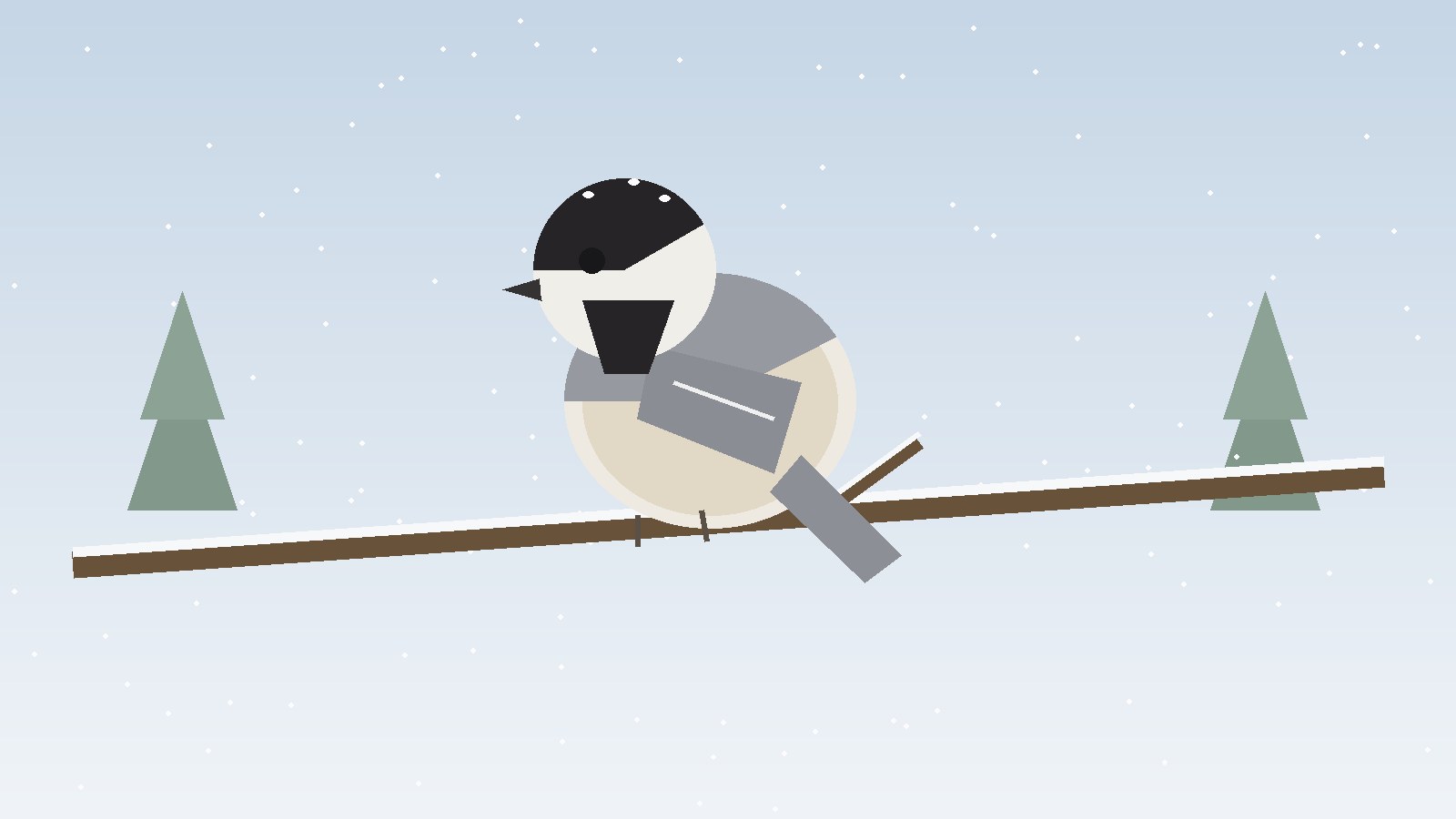
Short answer
- Yes, birds get cold in the sense that cold weather puts real stress on their bodies and forces them to spend extra energy to stay warm. Birds are warm blooded, so they make their own body heat, and many species keep a core temperature well above the air around them even on a freezing day. That does not mean cold is harmless. A small bird on a winter night is running a costly heating system with only a short day to refuel it. Wild birds cope with a set of overlapping tools rather than one single trick. Feathers trap warm air next to the skin. Fluffing those feathers thickens the insulating layer. Shivering makes extra heat. A special blood vessel arrangement in the legs limits heat loss through bare feet. Fat stored during the day fuels the night. Some species lower their body temperature for a few hours to save energy, a controlled state called torpor. Others avoid the hardest season altogether by migrating. When food, shelter, and body condition fail at the same time, however, cold can still kill, especially during a sudden cold snap.
Do Birds Feel Cold the Way People Do?
It is tempting to look at a chickadee on a snowy branch and assume it must feel exactly what a person without a coat would feel. The honest answer is more careful. We cannot ask a bird how cold feels to it, and scientists are cautious about equating a bird’s experience with human discomfort. What we can observe is clear enough: cold changes bird behavior, raises energy use, and, when it is severe or prolonged, threatens survival.
Birds are endothermic, which means they generate heat inside their bodies and hold core temperature within a fairly narrow range. Typical core temperatures vary by species, but many birds run hotter than people, often above 100 degrees Fahrenheit. That high internal temperature helps a bird stay active in bitter air, but it is expensive: heat constantly escapes into cold air, and the bird must replace it by burning fuel.
The hardest parts to protect are those without feathers: legs and feet, the beak, and skin around the eyes. A bird standing calmly on ice is not proof that cold does not affect it. It is proof that its body is managing the problem at a cost in energy that must be repaid with food.
Size matters a great deal. A large goose loses heat more slowly for its size than a tiny kinglet, because it has a smaller surface area relative to its volume. A small songbird cools faster and must feed almost constantly during short winter days to survive long winter nights.
Feathers: The First and Best Insulation
Feathers do far more than make flight possible. For a bird facing winter, they are its coat, its windbreaker, and its blanket in one. The outer contour feathers form a smooth, weather resistant shell. Underneath them lies a layer of soft downy feathers. The down traps air close to the skin, and that trapped air, warmed by the bird’s body, is what actually insulates. Still air is a poor conductor of heat, so a thick layer of trapped air slows heat loss dramatically.
Preening matters more in winter than many people realize. When a bird preens, it draws feathers through its beak, realigning the tiny structures that lock outer feathers into a smooth surface. A well kept coat sheds snow and rain and keeps the downy layer dry. Wet feathers lose much of their insulating power, because water replaces trapped air and carries heat away from the body. A bird with damaged or dirty plumage is therefore at a disadvantage in cold weather.
Many birds also grow a heavier coat for winter. The National Audubon Society notes that birds in colder climates may put on a heavier coat of plumage, with a base layer of fine, downy feathers that traps body heat while keeping cold air out. That change comes through molt, the gradual replacement of feathers timed to the season, and it varies by species.
Fluffing Up: How a Bird Puffs Its Coat Thicker
Anyone who watches winter birds has seen the classic puffed up shape: a cardinal or sparrow that looks almost round on a cold morning. That is not just a cute posture. It is an active adjustment called fluffing, and it works by increasing the thickness of the insulating air layer.
Birds can raise their feathers using tiny muscles at the base of each feather. When the feathers stand out from the body, the pockets of air between them grow larger and more numerous. Audubon describes this as creating hundreds of air pockets between feathers that trap heat and maximize natural insulation. The bird looks bigger because, in insulation terms, it really is bigger: the outer surface of its coat is farther from its warm skin, and heat must cross a thicker cushion of still air to escape.
Fluffing has a trade off. A puffed up bird is less streamlined, so birds tend to fluff most when perched and resting, not when flying hard. You will often see the roundest birds in the coldest part of the morning, between feeding bouts. Fluffing by itself is normal winter behavior, not a sign of illness.
Fluffing also works with posture. Birds tuck their heads, crouch low over their feet, and pull their legs up into belly feathers. The goal is simple: reduce exposed surface and keep warm air next to the body.
Shivering: Making Heat on Demand
When insulation alone is not enough, birds make extra heat by shivering. Shivering is rapid muscle contraction that burns fuel and releases heat as a byproduct. In birds, it is an efficient and controlled process. Research described by Audubon notes that birds shiver by activating opposing muscle groups, producing contractions without the obvious whole body shaking people associate with shivering. That matters, because a bird that shook violently would lose heat and waste energy in movement.
The main shivering muscles are the large flight muscles of the chest. They are big, well supplied with blood, and close to the core, so heat made there warms the body rather than escaping from an extremity. On a cold night, a small bird may shiver for hours, fueled largely by fat stored during the day. Winter feeding is therefore about banking fuel for the night, not just staying full.
Shivering has limits. It burns calories fast, and a bird that must shiver all night without enough fat will run out of fuel before dawn. That is the central danger of winter for small birds: the night is long, the feeding day is short, and the heating bill comes due every night. A bird that enters the night thin, wet, or stressed by illness has less margin than a healthy, well fed bird.
Why Birds Feet Do Not Freeze on Ice
Few winter sights puzzle people more than a duck standing on ice or a gull perched on a frozen post, apparently unbothered. The answer lies in the legs and feet, which are built very differently from human legs and feet.
First, bird feet contain mostly bone and tendon, with little muscle and, in many species, relatively few nerve endings compared with a human foot. The Cornell Lab of Ornithology, through All About Birds, explains that there is so little fluid in the cells of the feet that frost damage is less likely, and that the feet are mostly tendons and bones with little muscle or nerve tissue. That does not make feet immune to freezing, but it does mean they can safely run much colder than the core.
Second, birds use a countercurrent heat exchange system in their legs. Arteries carrying warm blood from the body to the feet run very close to veins carrying cooler blood back from the feet toward the body. Heat passes from the warm outgoing blood to the cooler returning blood. The result is that blood arriving at the foot is already cooled, so less heat is lost to the ice, while blood returning to the body is pre warmed, so the core does not get chilled by cold blood flowing back from the feet.
Cornell Lab material on gulls describes this as regional heterothermy: the core stays warm while the extremities are allowed to run cold. Blood still reaches the foot, and periodic increases in blood flow deliver just enough heat to prevent freezing. The foot itself may sit barely above freezing. All About Birds puts it plainly: songbirds can have toe surface temperatures barely above freezing even while the core stays above 100 degrees Fahrenheit.
Third, birds manage their feet behaviorally. Many water birds stand on one leg and tuck the other into belly feathers, then switch legs. Perching birds can lower their bodies to cover their feet, and geese may sit with legs folded underneath them.
One myth is worth correcting: birds feet do not stick to metal or ice the way a wet human tongue sticks to a frozen pole, because the foot surface is dry, scaly, and cold rather than warm and wet. Most healthy wild birds avoid frostbite, but feet are not invulnerable. Injury, disease, or prolonged wet cold can still damage them.
Torpor: Sleeping Colder to Save Energy
Some birds take a more radical approach to a cold night: they let their body temperature fall on purpose. This controlled state is called torpor. In torpor, heart rate, breathing rate, and metabolism slow down, and the bird burns far less fuel than it would if it held its full daytime temperature all night.
Torpor is not the same as hibernation, and most birds do not hibernate. The distinction matters. Hibernation is a prolonged, deep state lasting days, weeks, or longer. Torpor in birds is usually measured in hours, often just overnight, with the bird rewarming before dawn so it can feed again. The common poorwill is the notable exception: it is the only bird species whose behavior approaches true hibernation, with extended torpor bouts lasting many days. Ornithology education material describes poorwills spending 10 to 20 days in torpor without stirring, typically when temperatures are low and insect food is scarce.
Hummingbirds are the best known daily torpor users. Their daytime body temperature is about 100 to 104 degrees Fahrenheit. During nighttime torpor, a study of 17 hummingbird species found body temperatures falling toward the surrounding air temperature but not below about 64 to 68 degrees Fahrenheit, with one reported rufous hummingbird reaching about 55 degrees Fahrenheit. Waking from torpor takes time and energy: heart rate and breathing rise, wing muscles vibrate, and shivering helps rewarm the body over roughly 20 minutes to an hour before feeding resumes.
Chickadees use a milder version that Cornell Lab calls regulated hypothermia. Black capped chickadees can lower their body temperature by up to 22 degrees Fahrenheit, while also letting their feet cool close to freezing. That smaller drop still saves meaningful energy across a long night, without the costly rewarming bill that a deep torpor drop would demand. Golden crowned kinglets, which are even smaller than chickadees, can also reduce body temperature in regulated hypothermia, Cornell Lab notes.
Torpor involves a trade off that explains why more birds do not use it deeply. A torpid bird is slower to react to predators and must spend energy to rewarm in the morning. A moderate drop may be the best balance for a bird that expects food at dawn, while a deeper drop may be the only way for a hummingbird to survive a night with no nectar available.
Fat Reserves and the Winter Feeding Race
If feathers are the coat and shivering is the furnace, fat is the fuel tank. Many winter birds eat more in autumn and early winter, building fat that serves both as insulation and, more importantly, as stored energy. Audubon reports that for smaller birds such as chickadees and finches, fat can account for more than 10 percent of winter body weight. That reserve is not a luxury. It is the difference between surviving a cold night and running out of heat before dawn.
The daily rhythm of a winter songbird is a race against sunset. Birds feed intensively during daylight, often starting at first light, because they must replace the fat burned overnight and add a little extra for the next night. Insects are scarce in winter, so many species switch to seeds, berries, and other plant foods that remain available. Some species also store food for later, a behavior called caching.
Chickadees are famous cachers. Cornell Lab notes that they hide much of the seed they collect in tree bark and other crevices, building a stash that lasts through winter. Audubon reports that a single chickadee can store up to 80,000 seeds and remember where they are. That memory feat is supported by a seasonal change in the brain: Cornell Lab explains that the hippocampus, the brain region involved in spatial memory, adds neurons and grows by about 30 percent in volume in autumn, then shrinks again as winter fades. Caching does not replace daily feeding, but it gives a bird a backup when snow covers natural food or a storm keeps it sheltered for hours.
Fat storage has limits. A bird cannot carry unlimited fat without becoming heavier, slower, and easier for predators to catch. Small birds therefore live on a tight margin: enough fat to survive the night, but not so much that flight becomes costly. That is why a string of cloudy, snowy days with little feeding time can be more dangerous than a single very cold but clear day. Temperature, food, and time all matter together.
Migration Versus Staying Put
Not every bird faces winter where it breeds. Many species migrate, flying to regions where food remains available and temperatures are milder. Migration avoids the coldest conditions, but it is not a free choice. It costs enormous energy, exposes birds to storms, predators, and unfamiliar hazards along the route, and requires precise timing. Birds that migrate trade the risk of winter for the risk of travel.
Birds that stay put gain different advantages. They keep familiar territory, avoid migration hazards, and are already in place when spring food appears. The price is enduring winter with the tools described in this article. Cornell Lab notes that many species are year round residents that solve two enormous problems: staying warm and finding food. Staying is therefore not a failure to migrate. It is a different survival strategy, successful for species whose food and shelter remain available through winter.
Some species sit between the two strategies. They may move shorter distances, shift to lower elevations, or wander in search of food when northern food crops fail. Others switch diet seasonally, from insects in summer to seeds or fruit in winter. Individual birds within a species may also behave differently depending on age, condition, and local conditions. Migration reduces cold exposure, staying demands stronger cold coping tools, and both strategies depend on food.
Shelter, Huddling, and the Night Problem
Night is the hardest part of winter for a bird. Temperatures fall, feeding stops, and the bird must survive for many hours on stored fuel alone. Shelter helps by cutting wind and precipitation, two factors that strip heat far faster than still cold air. Dense evergreen foliage, tree cavities, thick shrubs, and sheltered spots on the downwind side of a trunk or building all reduce wind chill and keep feathers dry.
Huddling adds shared warmth. Golden crowned kinglets, which do not use tree cavities, create their own shelter by huddling in groups, sharing and conserving heat, according to Cornell Lab. Bluebirds, sparrows, and other species may crowd into cavities or dense foliage together on the coldest nights. Huddling reduces each bird’s exposed surface and pools body heat, but it also requires tolerance of close neighbors and a safe roost site, so not every species does it.
Roost choice is noted briefly here, because where birds sleep at night is a separate topic. For cold survival, a good roost is part of the heating system: it cuts wind, protects feathers from wet snow, and lets the bird spend stored fat more slowly. A bird roosting in the open on a windy night pays a higher heating bill than the same bird in a sheltered cavity at the same air temperature.
What Cold Snaps Mean for Wild Birds
Most healthy wild birds survive ordinary winter cold. Cold snaps are different because they combine several stresses at once: lower temperatures, stronger wind, snow or ice covering food, and shorter effective feeding time. A bird that was managing well can be pushed past its margin in a day or two if it cannot feed enough to replace nightly losses.
Young, sick, injured, or already thin birds are most vulnerable. So are species at the edge of their winter range, where a cold snap is more extreme than what they normally face. Water birds can be affected when ponds and shorelines freeze over, cutting off feeding areas. Ground feeding birds suffer when snow crusts over seeds or ice seals the soil. Insect eaters that stay through winter, such as kinglets searching under bark, may find their food locked away by ice.
A single cold night rarely wipes out a healthy local population. Deaths are usually caused by a combination of cold, hunger, wet plumage, exhaustion, and lack of shelter. That is why guidance during cold snaps often focuses on food and shelter rather than trying to warm birds directly. A reliable food source and a dry, wind sheltered roost help a bird do what it already knows how to do.
Stillness and fluffing during a cold snap are energy saving behaviors, not automatically signs of distress. A bird feeding actively and moving normally is coping. A bird on the ground, unable to fly, visibly injured, or unresponsive is a different matter and should be left to local wildlife professionals. This article covers wild birds in general and does not offer care advice for individual birds or for pet birds, which face different risks and needs.
How People Can Help Without Interfering
The most useful help is indirect: make food, water, and shelter available, then let wild birds use them on their own terms. Keeping a feeder stocked with appropriate seed through winter helps birds replace nightly fat losses, and a thawed water source helps them stay hydrated when natural water is frozen. Planting native evergreen shrubs and berry producing plants gives both food and wind shelter. Leaving a brush pile or a winterized nest box can offer roosting shelter, though boxes should be cleaned and maintained so they stay dry and safe.
What not to do matters too. Do not try to catch, warm, or bring wild birds indoors, and do not put out spoiled or salty food. Bread is poor winter fuel compared with seeds and other natural foods. If a feeder is used, keeping it clean reduces disease spread when many birds visit the same spot. Consistency matters more than quantity: a feeder reliably stocked through a cold snap is more useful than food offered once and then forgotten.
Putting It Together: A Night in the Life of a Winter Bird
Imagine a black capped chickadee at dusk on a January day. It has spent the short daylight hours feeding, caching seeds, and building fat. As light fades, it finds a tree cavity, fluffs its feathers, crouches low to cover its feet, and lets its body temperature drop by up to 22 degrees Fahrenheit in regulated hypothermia. Its feet cool close to freezing, but countercurrent exchange keeps its core supplied with pre warmed blood. Through the night it shivers as needed, burning fat. Before dawn, it rewarms and heads out to feed again.
That single night contains almost every tool in this article: insulation, fluffing, posture, shivering, countercurrent circulation, regulated temperature drop, fat fuel, cached food, and shelter. No one tool would be enough alone. Together, they let a bird weighing about 10 grams survive a night that would be dangerous for a much larger animal without shelter and clothing. So the answer is yes and no at once: cold is a real challenge every winter day, but birds are not helpless in it when food and shelter are available.
FAQ
Do birds get cold in winter?
Yes, in the sense that cold increases heat loss and energy demand, and severe or prolonged cold can threaten survival. Wild birds cope with feathers, fluffing, shivering, countercurrent circulation in the legs, fat reserves, shelter, and, in some species, torpor or regulated hypothermia. Migration is another strategy: many species avoid the coldest season by moving to milder regions.
Why do birds puff up in cold weather?
Birds fluff their feathers to trap more air next to the skin. That thicker air layer insulates better, slowing heat loss. Audubon describes fluffing as creating hundreds of air pockets between feathers that trap heat. A puffed up bird is adjusting its coat, not necessarily in distress.
Why do birds feet not freeze on ice?
Bird feet are mostly bone and tendon with little muscle and little fluid in their cells, so they can run very cold without the same frostbite risk as human feet. A countercurrent heat exchange system also helps: warm blood heading to the foot warms cooler blood returning to the body, so the core stays warm while the foot stays just above freezing. Birds also tuck one foot into their feathers or crouch to cover their feet.
Do birds shiver to stay warm?
Yes. Birds shiver by contracting opposing muscle groups, especially the large chest muscles, to generate heat. This form of shivering produces warmth without the obvious whole body shaking seen in people. Shivering burns fat, so a bird needs enough food during the day to fuel shivering through the night.
What is torpor in birds?
Torpor is a controlled, temporary drop in body temperature, heart rate, and metabolism that saves energy, usually overnight. Hummingbirds use daily torpor, and chickadees use a milder version called regulated hypothermia, lowering body temperature by up to 22 degrees Fahrenheit. The common poorwill is the exception that approaches true hibernation, with extended torpor lasting many days.
Do all birds migrate to avoid cold?
No. Many species stay through winter as year round residents, using insulation, fat, caching, shelter, and huddling to survive. Others migrate, and some move only short distances or wander in search of food. Staying and migrating are both successful strategies, and each carries different risks.
Can cold weather kill wild birds?
Yes, especially during cold snaps that combine low temperatures with wind, snow, and covered food sources. Deaths are usually caused by a combination of cold, hunger, wet plumage, exhaustion, and lack of shelter rather than cold alone. Young, sick, injured, or thin birds are most at risk. Healthy birds with reliable food and shelter usually survive ordinary winter cold.
Do birds need help from people in winter?
Wild birds generally manage on their own, but reliable food, thawed water, and shelter can help during hard weather. Keep feeders stocked and clean, offer appropriate seed, and provide native shrubs or a maintained nest box for shelter. Do not catch or bring wild birds indoors, and seek local wildlife professionals for an injured or unresponsive bird. This article does not cover pet bird care.
Keep reading: Where Do Birds Go at Night
Sources & references
- Cornell Lab of Ornithology, K-12 Education. "How Do Song Birds Survive Winter?" Accessed 1 November 2026. https://www.birds.cornell.edu/k12/how-do-song-birds-survive-winter/
- National Audubon Society. "How Do Birds Cope With Cold Winter Weather?" Published 24 January 2024, updated 27 August 2026. Accessed 1 November 2026. https://www.audubon.org/magazine/how-do-birds-cope-cold-winter-weather
- Cornell Lab of Ornithology, All About Birds. "Why don't birds get cold feet?" Updated 9 August 2023. Accessed 1 November 2026. https://www.allaboutbirds.org/news/why-dont-birds-get-cold-feet/
- Cornell Lab of Ornithology, All About Birds. "How Do Gulls Deal With Cold Feet?" Accessed 1 November 2026. https://www.allaboutbirds.org/news/how-do-gulls-deal-with-cold-feet/
- Ornithology Education. "Torpor and Hibernation / Adaptations." Accessed 1 November 2026. https://www.ornithology.org/adaptations/torpor-and-hibernation


