Science
The Shortest Day of the Year: The Winter Solstice Explained
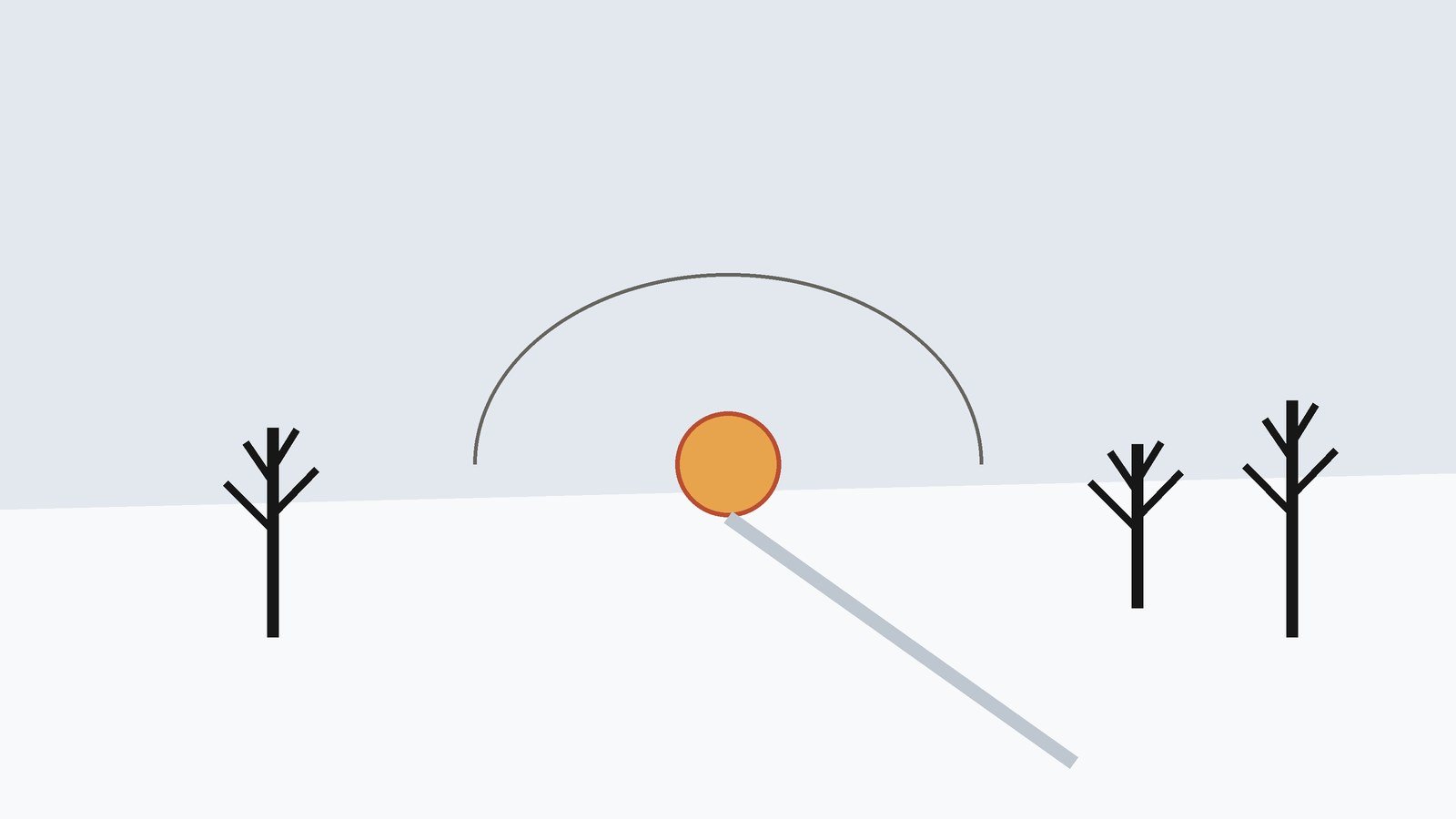
The shortest day of the year is the December solstice. See exact solstice times for 2026 to 2030, daylight hours by latitude, and why evenings recover first.
Topic
The natural world explained in plain English — climate, biology and earth science, with the evidence behind the headlines.
Science
The shortest day of the year is the December solstice. See exact solstice times for 2026 to 2030, daylight hours by latitude, and why evenings recover first.
Science
Two spiders share the title: the Goliath birdeater is the heaviest, the giant huntsman spans widest. Verified sizes, habitats, and real danger levels.
Science
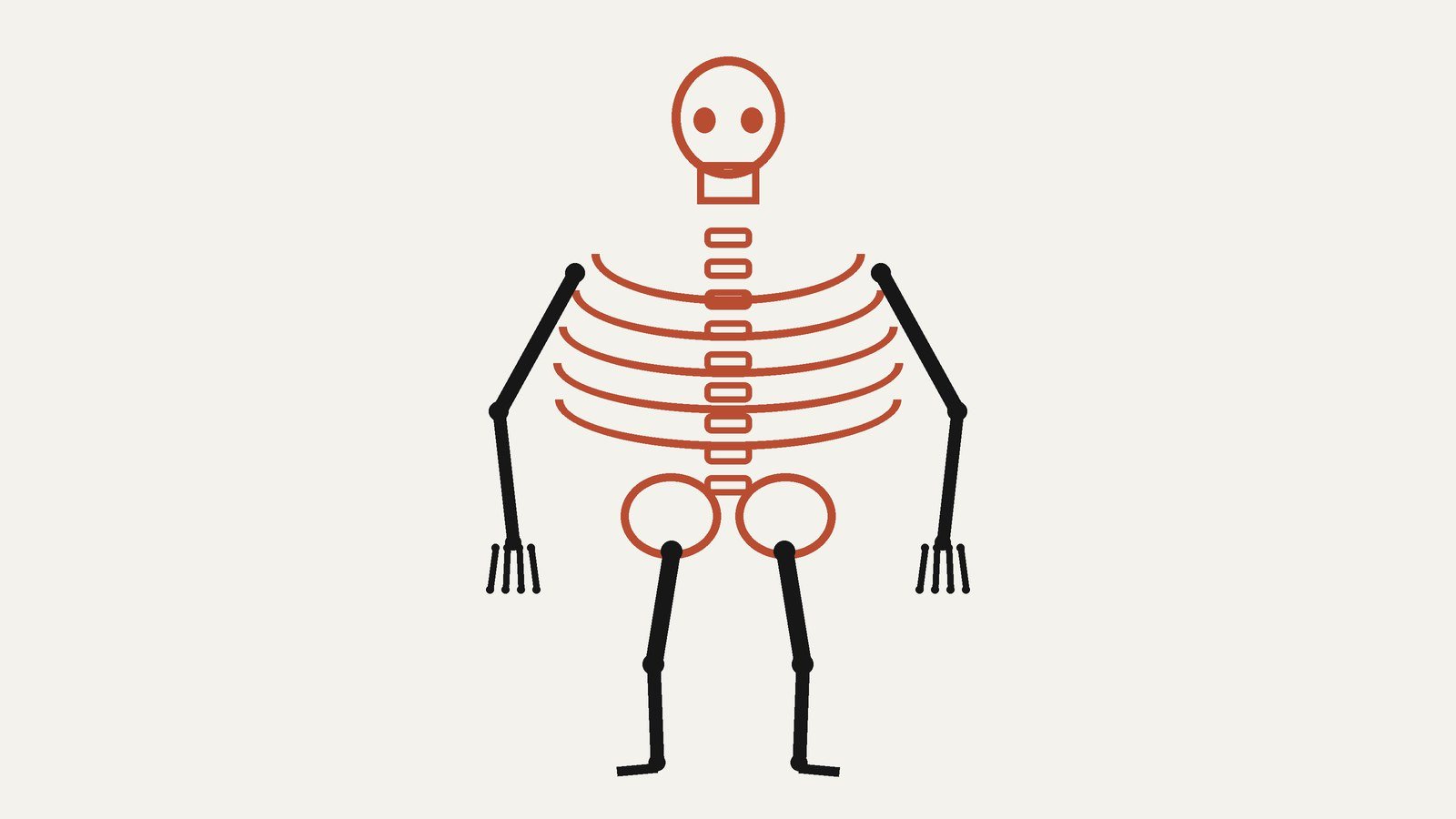
How the human skeleton is organized: the axial and appendicular divisions, five bone shapes, bone tissue, cartilage, joint types, and how bones grow and renew.
Science
It depends on where you are, the date, and which darkness you mean. Sunset, civil, nautical and astronomical twilight explained, with USNO worked examples.
Science
The next full moon is Monday, October 26, 2026. See verified full moon dates and names for the next 12 months, plus blue moons, supermoons, and eclipses.
Science
The first day of summer is June 1 for meteorologists and the June solstice for astronomers. See the next five solstice dates and why the date shifts.
Science
Adults have 206 bones, babies about 300. A full region-by-region breakdown, why the count falls as bones fuse, and why your total may differ slightly.
Science
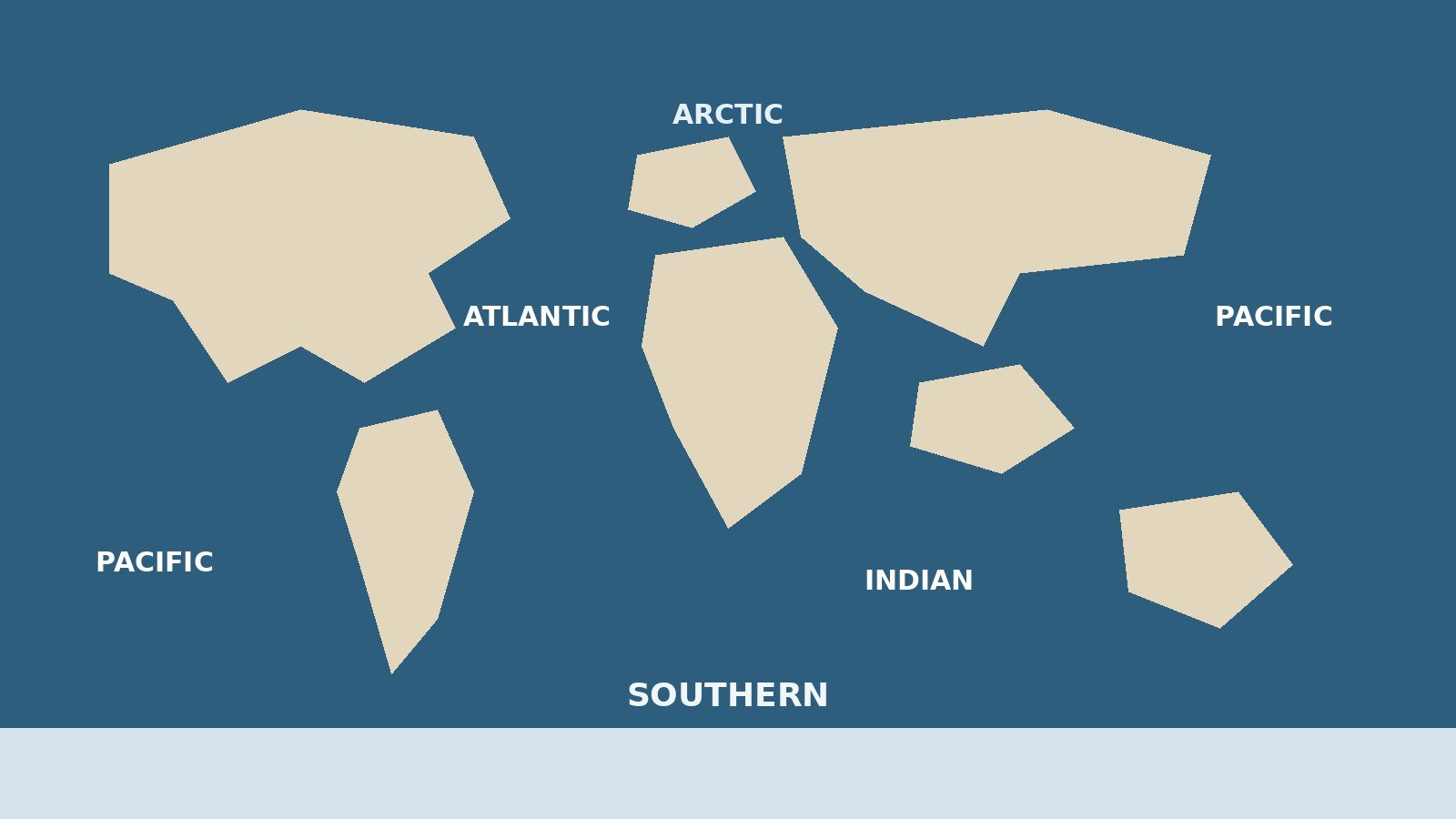
How many oceans are there? Five: Pacific, Atlantic, Indian, Southern, and Arctic. Their sizes, the Southern Ocean story, and why scientists also say one.
Science
Fossils show our species, Homo sapiens, is about 300,000 years old, our genus is 2.8 million years old, and our wider family reaches back nearly 7 million.
Science
The northern lights begin on the Sun. Solar wind particles ride Earth's magnetic field into the polar atmosphere and light up oxygen and nitrogen. Here is how.
Science
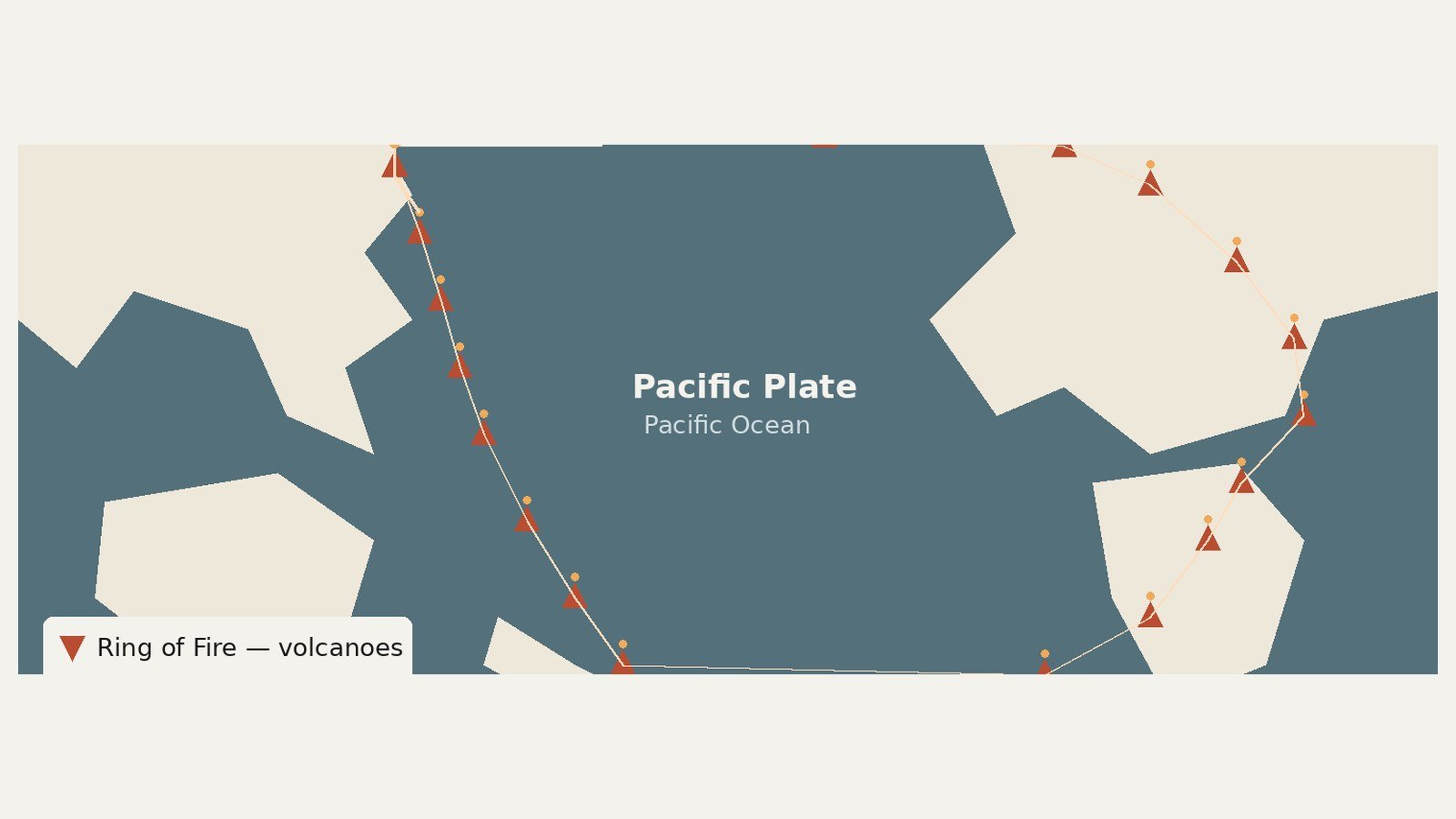
What is the Ring of Fire? How volcanoes form, what causes earthquakes, and how magnitude really works: a clear, evergreen explainer of the Circum-Pacific Belt.
Science
What causes climate change? A plain-English guide to the greenhouse effect, the main human causes, natural factors, and the evidence scientists rely on.
Science
What a cell is, how mitosis differs from meiosis, and the photosynthesis equation and cellular respiration explained simply, with tables and a glossary.