Short answer
- To make pasta from scratch, mix 100 grams of flour with 1 large egg per person (400 grams of flour and 4 large eggs for four), knead the dough for 8 to 10 minutes until smooth, wrap it and rest it for at least 30 minutes, then roll it thin and cut it into the shape you want. To cook any pasta, boil it in plenty of well-salted water, stir it at the start, taste it early, and drain it at al dente, firm to the bite. Finish the pasta in the sauce with a ladle of the starchy cooking water so the sauce clings. Dried pasta usually takes 8 to 12 minutes; fresh pasta takes only 2 to 4 minutes.
By Emma Hudson
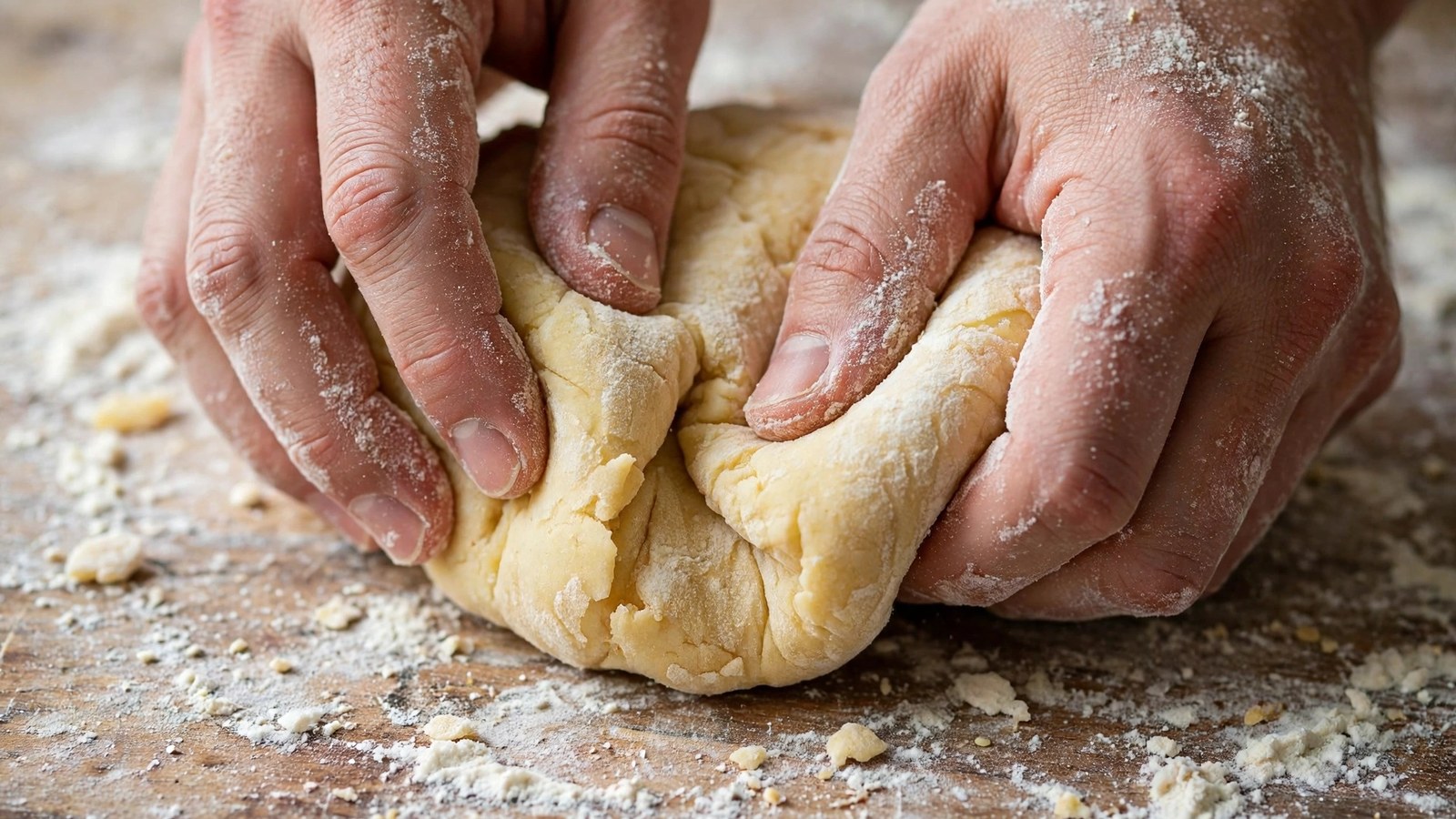
If you want to learn how to make pasta, you are in good company. Pasta is one of the most searched foods in the United States, and for good reason: a simple mix of flour and eggs can become fresh pasta in an afternoon, while a box of dried pasta can become dinner in fifteen minutes. This guide covers both paths properly. You will learn how to make pasta from scratch, how to make homemade pasta dough, how to boil pasta so it stays firm and does not stick, and how to make pasta sauce that actually clings to the noodles. It also covers the dishes people ask about most, from how to make pasta carbonara and how to make alfredo pasta to how to make pesto pasta, how to make vodka pasta, and how to make pasta salad.
When people ask “how do you make pasta” or “how do i make pasta”, they usually mean fresh pasta made at home, dried pasta cooked well, or a finished pasta recipe with sauce. All three are covered here, in that order.
How to Make Pasta From Scratch: The Basic Pasta Recipe
A basic pasta recipe needs very little. The classic egg pasta dough recipe is flour, eggs, and a pinch of salt. That is it. No oil is needed in a standard dough, although some cooks add a teaspoon of olive oil to make the dough easier to roll. The important part is the ratio, and the ratio is what makes homemade pasta repeatable instead of lucky.
The standard egg to flour ratio pasta makers use, also searched as flour to egg ratio for pasta, is 100 grams of flour to 1 large egg. For a family batch, that means 400 grams of flour and 4 large eggs, which serves about four people as a main course. If you do not have a scale, 400 grams of all-purpose flour is roughly 3 and 1/3 cups, but weighing is more reliable, because cup measurements change with how tightly you pack the flour. This is the same ratio behind most fresh pasta recipes, whether you call it a pasta dough recipe, an egg pasta recipe, or a basic pasta dough recipe.
What Flour to Make Pasta With
The best flour for homemade pasta depends on the texture you want. In Italy, fresh egg pasta is often made with “00” flour, a finely milled white flour that gives a smooth, silky dough. All-purpose flour also works well and is the easiest choice for a first attempt. Semolina flour, made from durum wheat, is coarser and is often used for dried pasta and for dusting, because it stops fresh pasta from sticking. A mix of all-purpose flour and semolina, or “00” flour and semolina, gives a dough that is both smooth and firm. If you are asking what flour for pasta to buy, start with all-purpose flour, and try “00” flour on your second batch so you can taste the difference.
For a simple homemade pasta recipe, use this ingredient list:
- 400 grams flour (all-purpose or “00”, plus extra for dusting)
- 4 large eggs
- 1/2 teaspoon fine salt
- Water, only if needed, a teaspoon at a time
That is the full list of pasta ingredients, and it is the base for most homemade pasta recipes, Italian pasta recipes, and authentic Italian pasta recipes. Fresh egg pasta contains eggs, which is why people ask “does pasta have eggs” and “is pasta made with eggs”. Fresh egg pasta does. Most dried pasta sold in stores does not, because it is usually made from durum wheat semolina and water only. That difference matters for allergies and for texture, and it is worth checking the package if eggs are a concern.
How to Make Pasta Dough, Step by Step
Learning how to make pasta dough is mostly about patience. Follow these steps, and do not rush the resting time.
- Make a well. Put the flour and salt in a large bowl or on a clean work surface. Make a well in the center and crack the eggs into it.
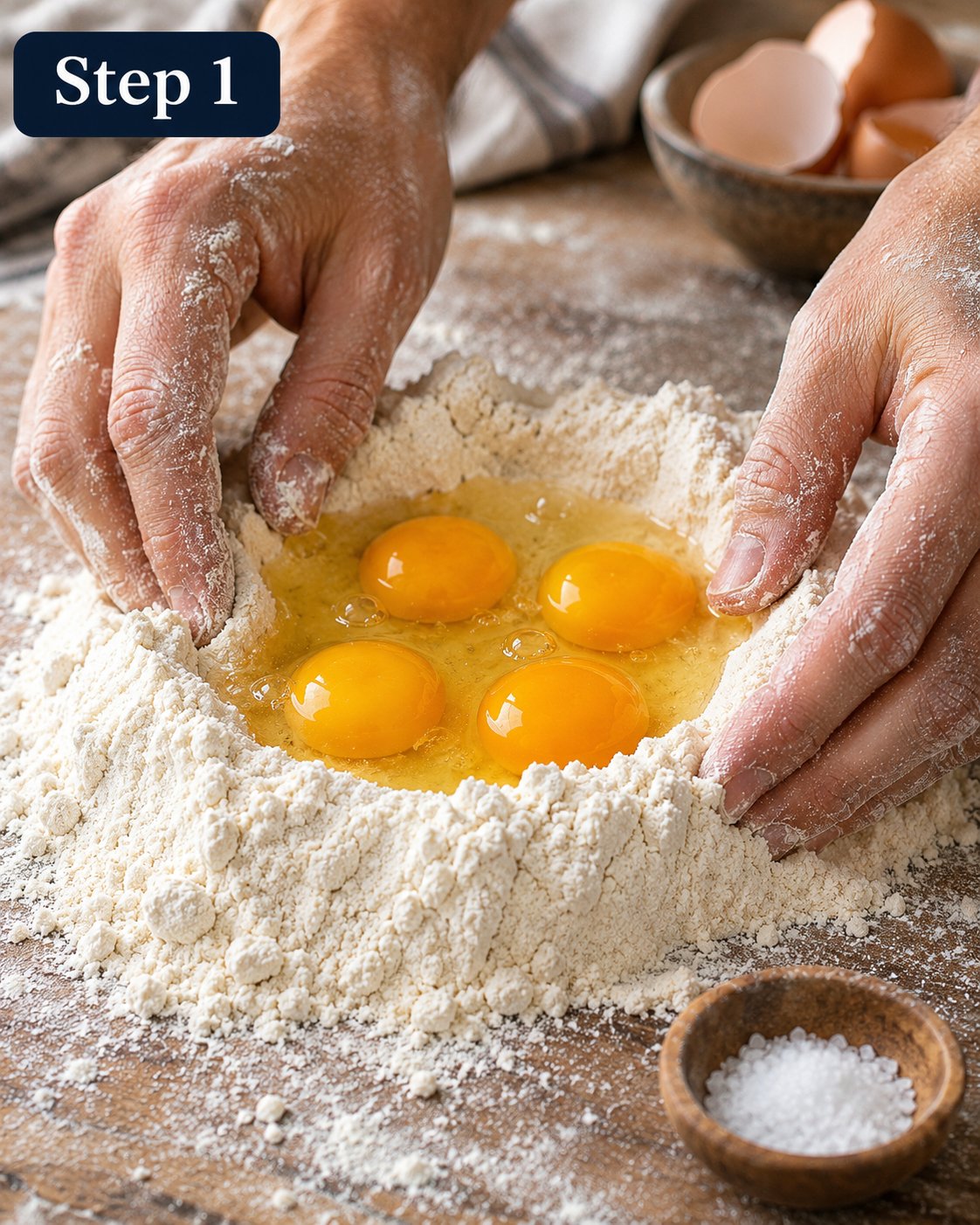
- Mix slowly. With a fork, beat the eggs and gradually draw flour in from the edges of the well. Keep mixing until a shaggy dough forms.
- Knead. Push the dough away from you with the heel of your hand, fold it back, turn it, and repeat. Knead for about 8 to 10 minutes, until the dough feels smooth and springs back slowly when pressed. If you are wondering how long to knead pasta dough, 8 to 10 minutes by hand is the usual range. The dough should feel firm, not sticky. Add water only a teaspoon at a time if it will not come together.
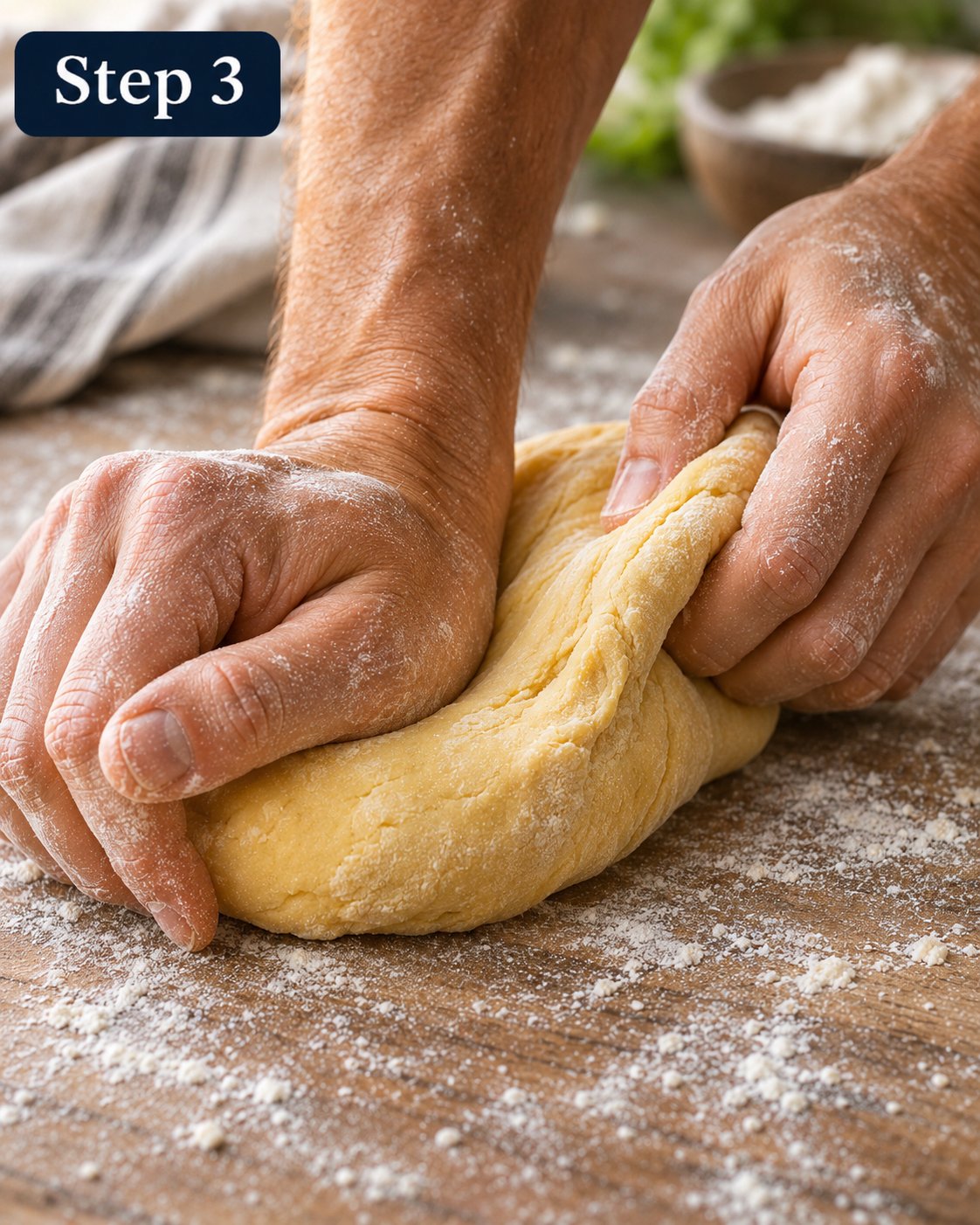
- Rest. Flatten the dough into a disc, wrap it tightly in plastic wrap or a beeswax wrap, and rest it at room temperature for at least 30 minutes. Resting relaxes the gluten and makes rolling much easier. Do not skip this step.
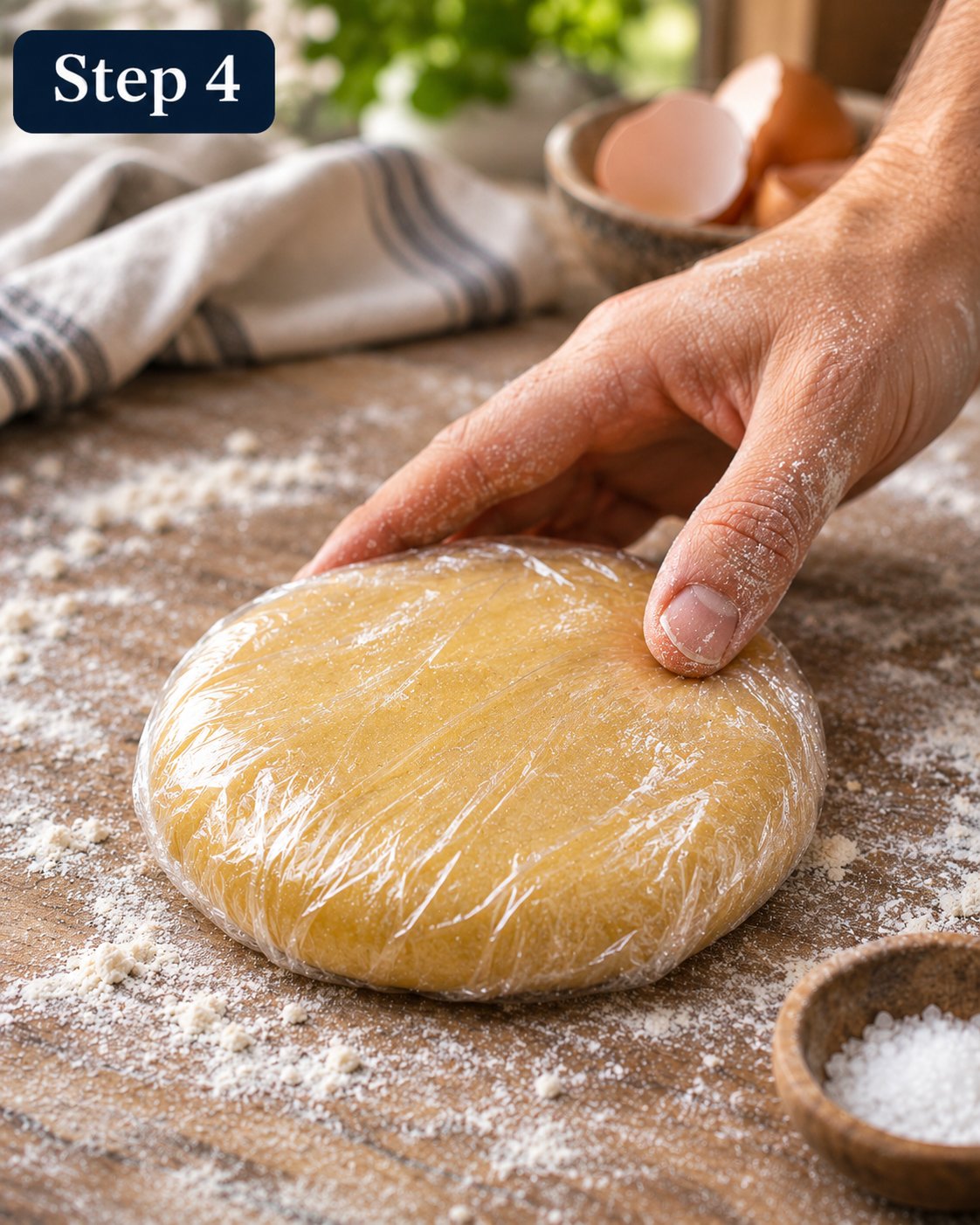
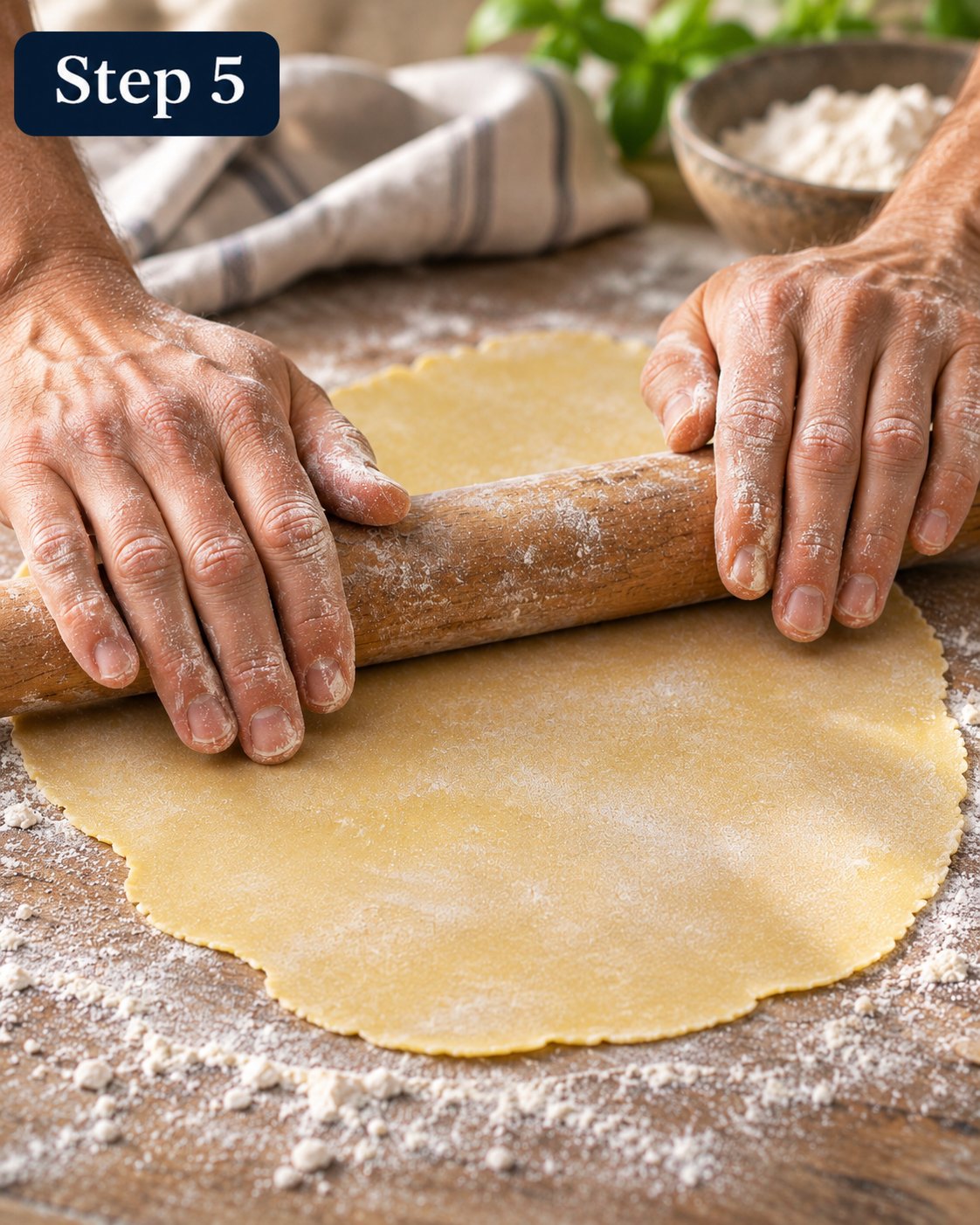
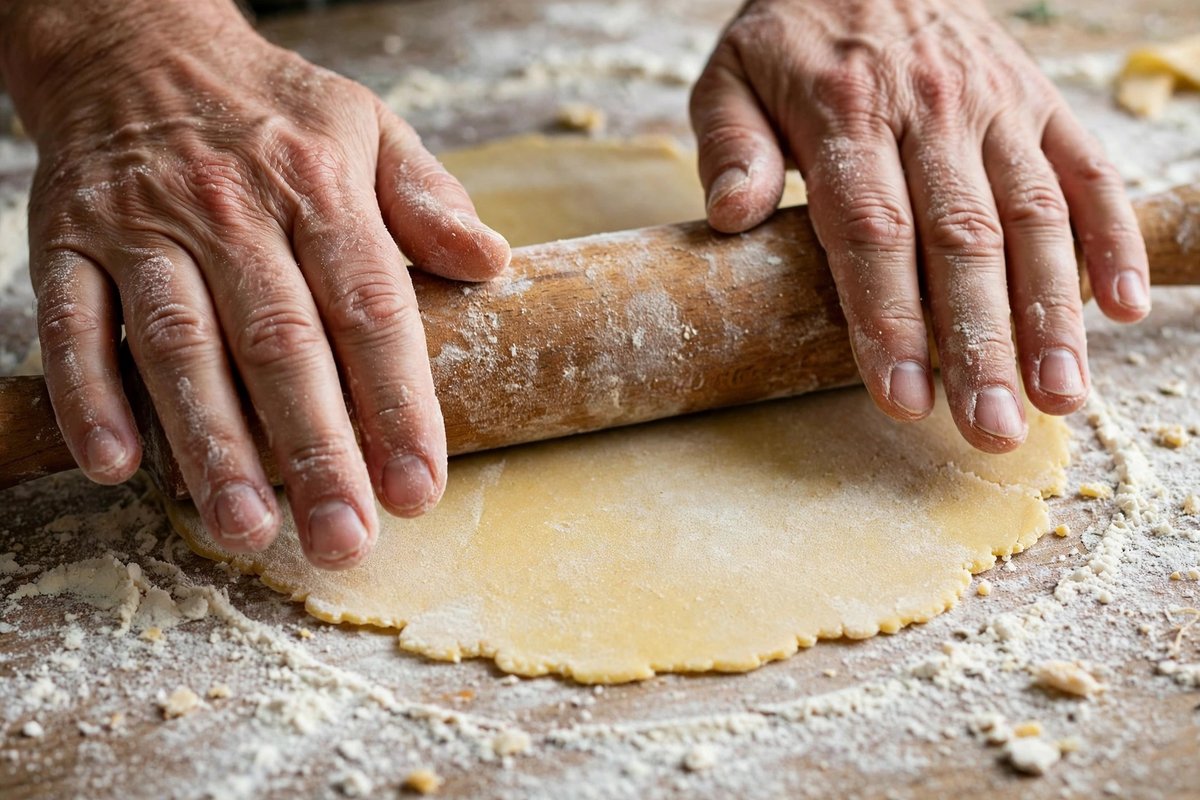
- Roll. Divide the dough into four pieces and work with one piece at a time, keeping the others covered. Roll each piece out, either by hand with a rolling pin or with a pasta machine, until it is thin enough to see your hand through it, about 1 to 2 millimeters thick.
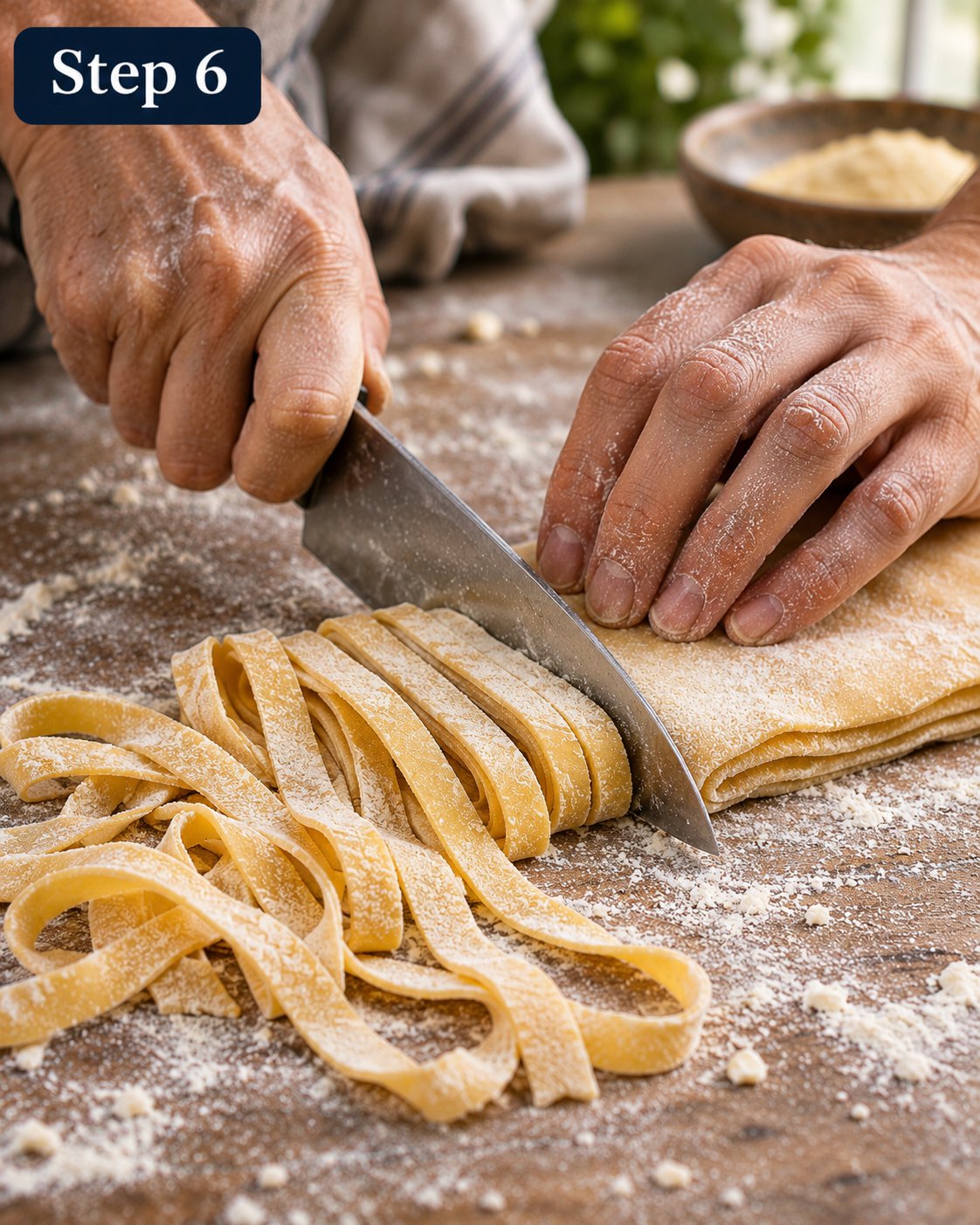
- Cut. Cut the sheets into the shape you want, dust lightly with flour or semolina, and let the cut pasta rest on a tray for 15 to 30 minutes before cooking, or cook it right away.
That is how to make homemade pasta, how to make pasta by hand, how to make fresh pasta, how to make pasta without a machine, and how to make homemade pasta dough from scratch, all in one method. It is also a homemade pasta dough recipe, and the process itself is pasta making, making homemade pasta, and handmade pasta, all at once. A pasta machine makes rolling faster and more even, but it is not required. A rolling pin, a clean surface, and patience will do the same job.
How to Make Pasta With a Machine
If you have a pasta maker, a pasta machine, or a pasta roller, the method is the same up to the resting stage. Feed a piece of dough through the widest setting, fold it in thirds, and feed it through again. Repeat two or three times, then move to thinner settings one step at a time until you reach the thickness you want. Do not jump straight to the thinnest setting, or the sheet will tear. For fettuccine and tagliatelle, use the cutting attachment. For pappardelle, cut the sheets by hand into wide ribbons, about 2 to 3 centimeters wide.
Pasta Dough Recipes and Variations
Once you have the basic dough, you can vary it. A fresh pasta dough recipe with egg yolks only, for example 200 grams flour to 6 to 8 egg yolks, gives a richer, more golden pasta. Egg yolk pasta is softer and is often used for filled pasta. A pasta with egg yolk in the dough is not a different technique, just a richer ratio. For a simple pasta recipe for two people, halve the basic batch: 200 grams flour and 2 large eggs. For homemade pasta for one person, use 100 grams flour and 1 egg.
How to Make Homemade Pasta Shapes
You do not need a different dough for every shape. The same dough can become flat shapes, filled shapes, and wide ribbons, and the most useful ones for home cooks are listed below.
In practice, most home cooks make flat shapes, because they are the easiest to cut by hand. Here is a simple guide:
- Fettuccine and tagliatelle: a fettuccine noodle recipe, fettuccine pasta noodles, egg noodle pasta, and fresh egg noodles all start here. Roll the dough into sheets, roll each sheet up loosely like a jelly roll, and slice it into strips about 6 millimeters wide for fettuccine. These are homemade pasta noodles in the plainest sense. Unroll the strips and dust with flour.
- Pappardelle: the same method, but slice into wide ribbons about 2 to 3 centimeters wide. This is how to make pappardelle wide ribbon pasta, how to make pappardelle wide ribbon pasta recipe, and it is also the answer to how to make pappardelle pasta from scratch.
- Orecchiette: roll the dough into thin ropes, cut into small pieces, and press each piece with your thumb to make a small “ear” shape. This takes practice, but the dough is the same.
- Tortellini and ravioli: roll sheets, place small spoonfuls of filling, cover with a second sheet, press out the air, and cut. Keep the edges sealed with a little water if needed.
- Penne, rigatoni, orzo, and bucatini: these are extruded or tube shapes that are very hard to make well by hand. Most home cooks buy these dried and focus their homemade effort on flat and filled shapes. That is a practical choice, not a failure. How to make penne pasta from scratch is possible with special equipment, but for most kitchens, dried penne cooked well is the better result.
For spaghetti, the same rule applies. Homemade spaghetti noodles, a pasta noodle recipe, and how to make pasta noodles all point to hand-cut noodles here, rather than factory spaghetti. How to make spaghetti noodles and how to make spaghetti noodles from scratch are common searches, but spaghetti is an extruded shape. A homemade spaghetti noodle recipe usually means thin hand-cut noodles, which are closer to angel hair pasta than to factory spaghetti. If you want true spaghetti, dried spaghetti is the sensible choice, and the cooking section below covers it properly.
How to Boil Pasta and How to Cook Fresh Pasta
Cooking pasta well is simpler than most guides make it sound, but a few details matter. The two most common questions are how to boil pasta and how long to cook fresh pasta. They have different answers, because fresh and dried pasta are different foods.
How to Boil Dried Pasta
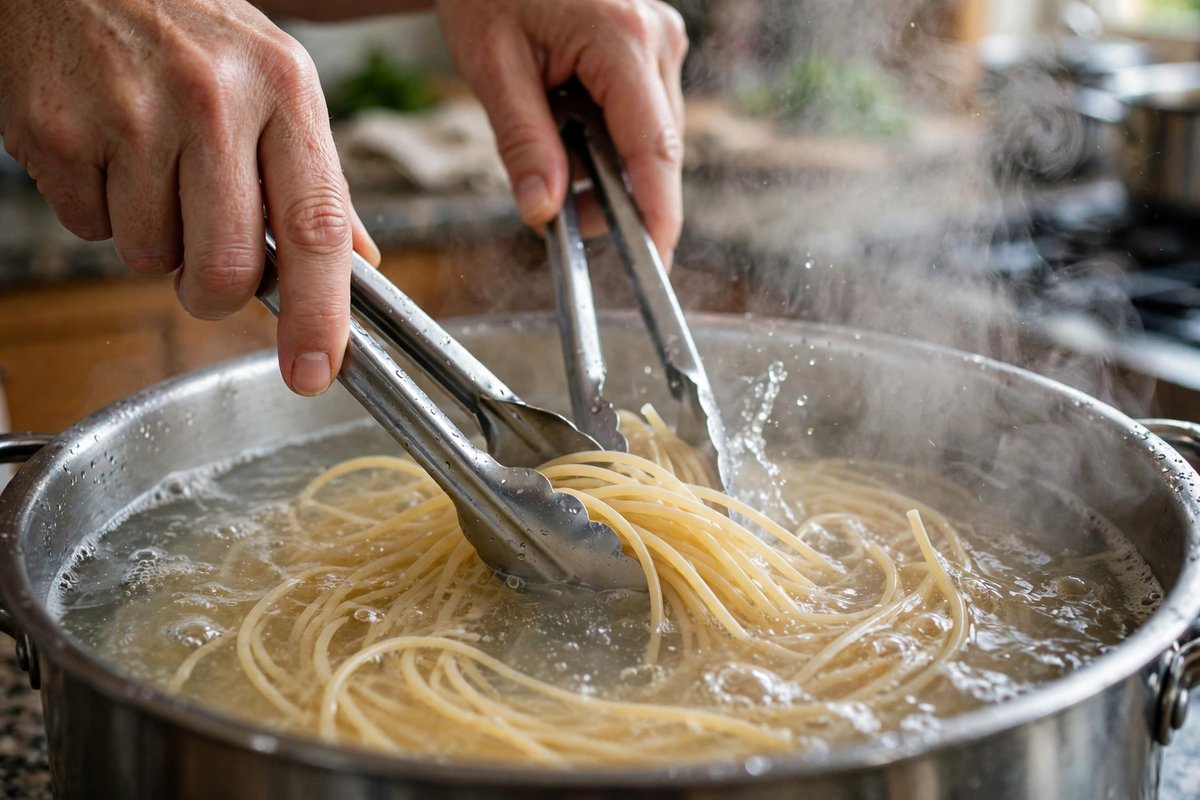
For dried pasta, use a large pot and plenty of water. A good rule is at least 4 liters (about 4 quarts) of water for 500 grams of dried pasta. Bring the water to a full rolling boil before adding pasta, then salt it. The usual amount is about 1 tablespoon of salt per 4 liters of water. The water should taste like the sea, but not so salty that it is unpleasant. Add the pasta, stir immediately so it does not clump, and stir again after a minute.
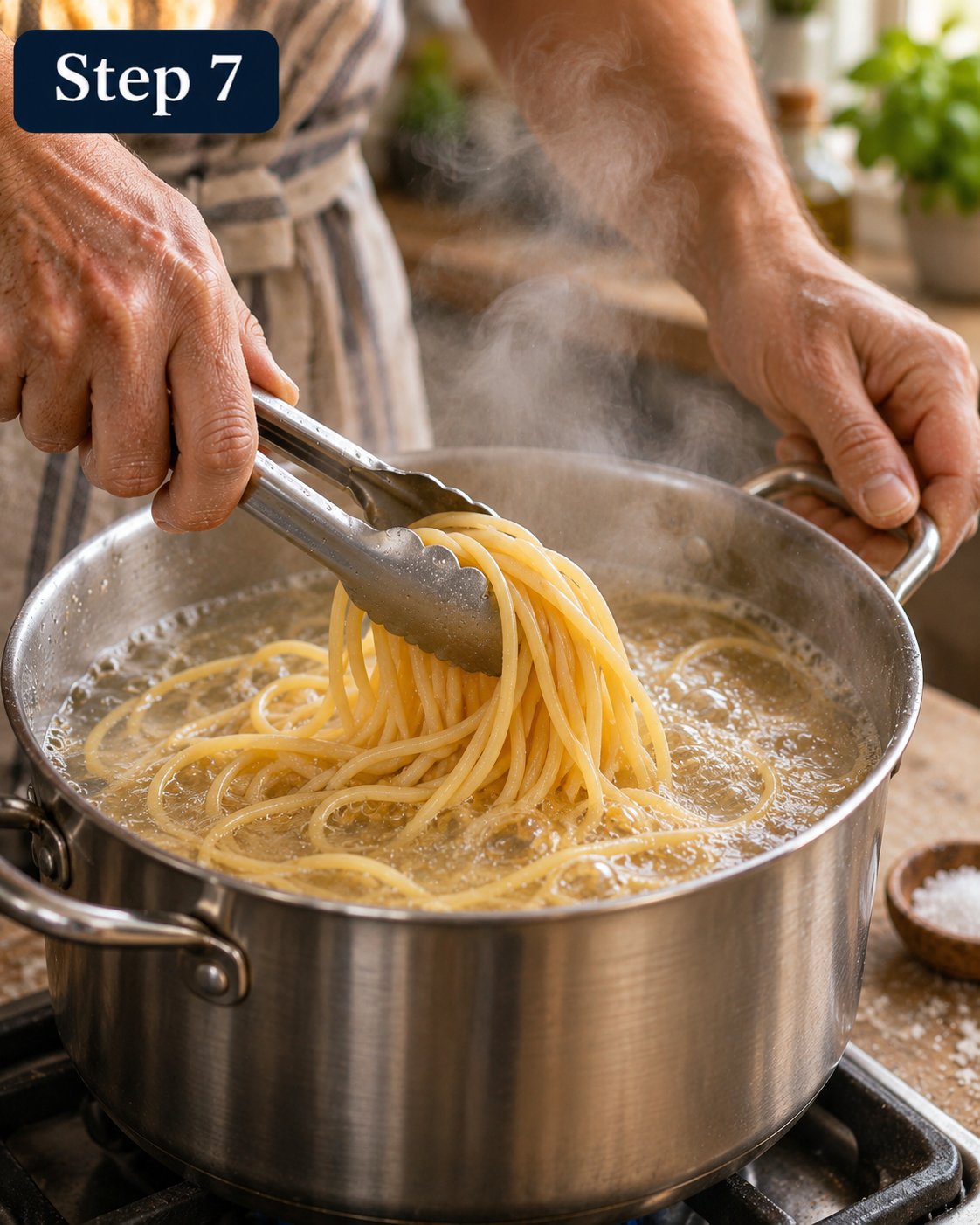
Do not add oil to the water. Oil makes the surface of the pasta slippery, which makes it harder for sauce to stick. How to make pasta not stick is mostly about using enough water, stirring at the start, and not overcooking. How to make sauce stick to pasta is the same idea in reverse: finish the pasta in the sauce, with a little of the cooking water, so the sauce clings.
Cooking time for dried pasta is on the package, and it is usually 8 to 12 minutes depending on shape. Start tasting two minutes before the package time. Pasta is al dente when it is firm to the bite in the center, not crunchy and not soft. How to make al dente pasta is simply to taste early and drain promptly. Do not rinse dried pasta after draining, unless you are making a cold pasta salad, because rinsing washes away the starch that helps sauce stick.
How to Cook Fresh Pasta
Fresh pasta cooks much faster. How long to cook fresh pasta depends on thickness, but most fresh flat pasta takes 2 to 4 minutes in boiling salted water. Thin angel hair pasta can take 1 to 2 minutes. How long to boil fresh pasta, how long to boil homemade pasta, how long do you cook fresh pasta, how long does fresh pasta take to cook, and how long to cook fresh pasta noodles are all the same question, and the answer is the same: taste early. Fresh pasta goes from perfect to soft very quickly.
How to cook homemade pasta follows the same method as dried pasta, but with less time and gentler handling. Use a large pot, salted boiling water, stir gently, and drain as soon as it is al dente. How to cook fresh pasta, cooking fresh pasta, and cooking homemade pasta are not different techniques. The only difference is timing.
For homemade pasta, the total time question also comes up: how long does it take to make pasta, how long does it take to make homemade pasta, and how long does it take to make pasta from scratch. The honest answer is about 1 to 1.5 hours for a first batch, including 30 minutes of resting and 15 to 30 minutes of drying, plus 2 to 4 minutes of cooking. With practice, the hands-on time drops to about 30 to 40 minutes. Making pasta from scratch is not a quick weeknight task the first time, but it becomes a weekend habit.
If Your Pasta Is Too Salty
How to make pasta less salty: if you oversalted the water, you cannot easily fix the pasta itself, but you can balance the finished dish with an unsalted sauce and unsalted cheese, and avoid adding more salt to the sauce. Next time, measure the salt instead of pouring freely.
How to boil noodles, boiling pasta, and boiling noodles are the same skill. The most common mistakes are using too little water, adding pasta before the water boils, and overcooking. A large pot, a rolling boil, salt, stirring, and tasting early will fix almost all of them.
How to boil water for pasta is worth stating plainly, because beginners ask it: fill a large pot, put it on high heat with the lid on, and wait until the water is bubbling vigorously across the whole surface. That is a rolling boil. Then add salt, then add pasta.
How to Make Pasta Sauce
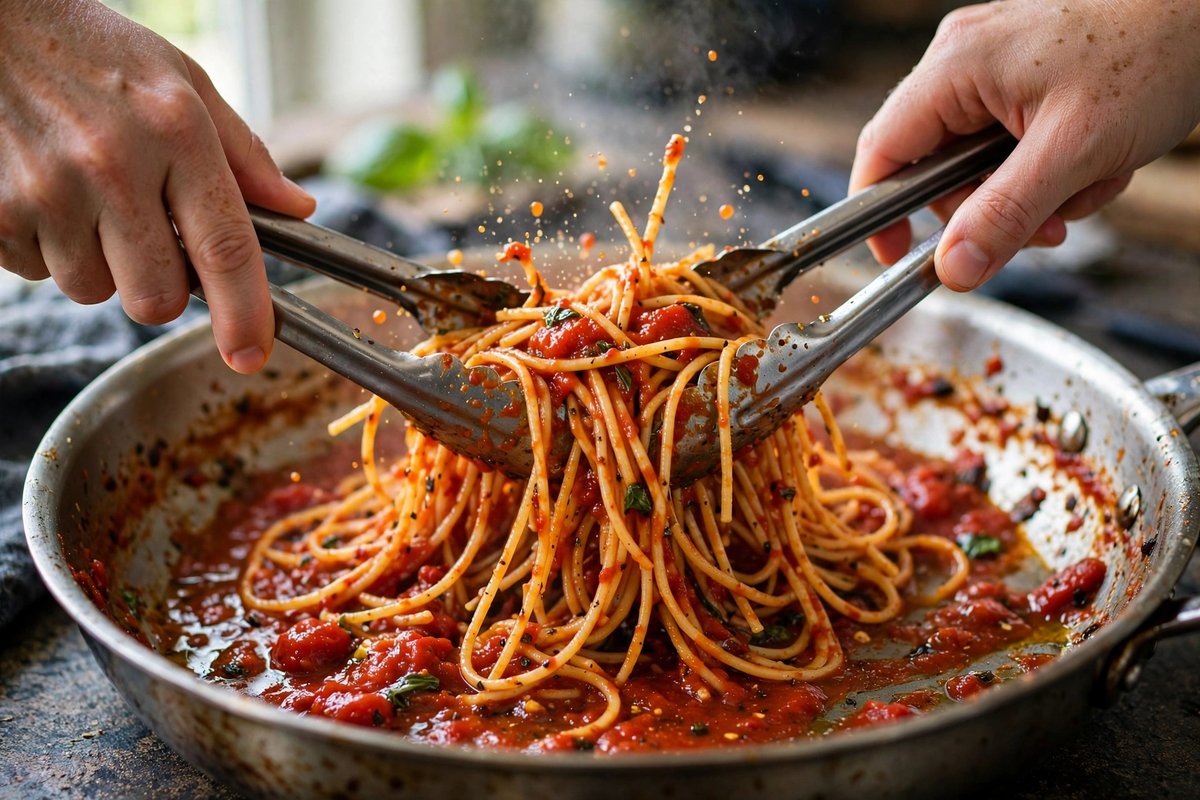
Sauce is where many pasta recipes succeed or fail. The best way to cook pasta with sauce is to finish the pasta in the sauce, not to pour sauce over dry pasta on a plate. Drain the pasta a minute before it is fully cooked, transfer it to the pan with the sauce, add a ladle of pasta water, and toss for a minute until the sauce thickens and coats every strand. Pasta water is starchy, and that starch is what makes a sauce glossy and clinging. This is why you should save pasta water before draining, and why you should not rinse pasta.
How to make pasta sauce, how to make pasta with sauce, and how to make a pasta sauce are broad questions. Below are the main families, each with a proper method, not a shortcut that changes the dish into something else. How to make homemade pasta sauce, how to make your own pasta, and make your own pasta all mean the same thing here: cooking the dough and the sauce yourself, using the methods in this guide.
How to Make Tomato Sauce for Pasta
A simple tomato sauce for pasta needs tomatoes, garlic, olive oil, salt, and basil. How to make tomato sauce for pasta, how to make tomato pasta sauce, and how to make pasta sauce with fresh tomatoes all point to the same base:
- Heat olive oil in a pan, add sliced garlic, and cook gently until fragrant, not brown.
- Add crushed fresh tomatoes or canned tomatoes, a pinch of salt, and simmer for 15 to 20 minutes until thickened.
- Tear in basil leaves at the end, off the heat.
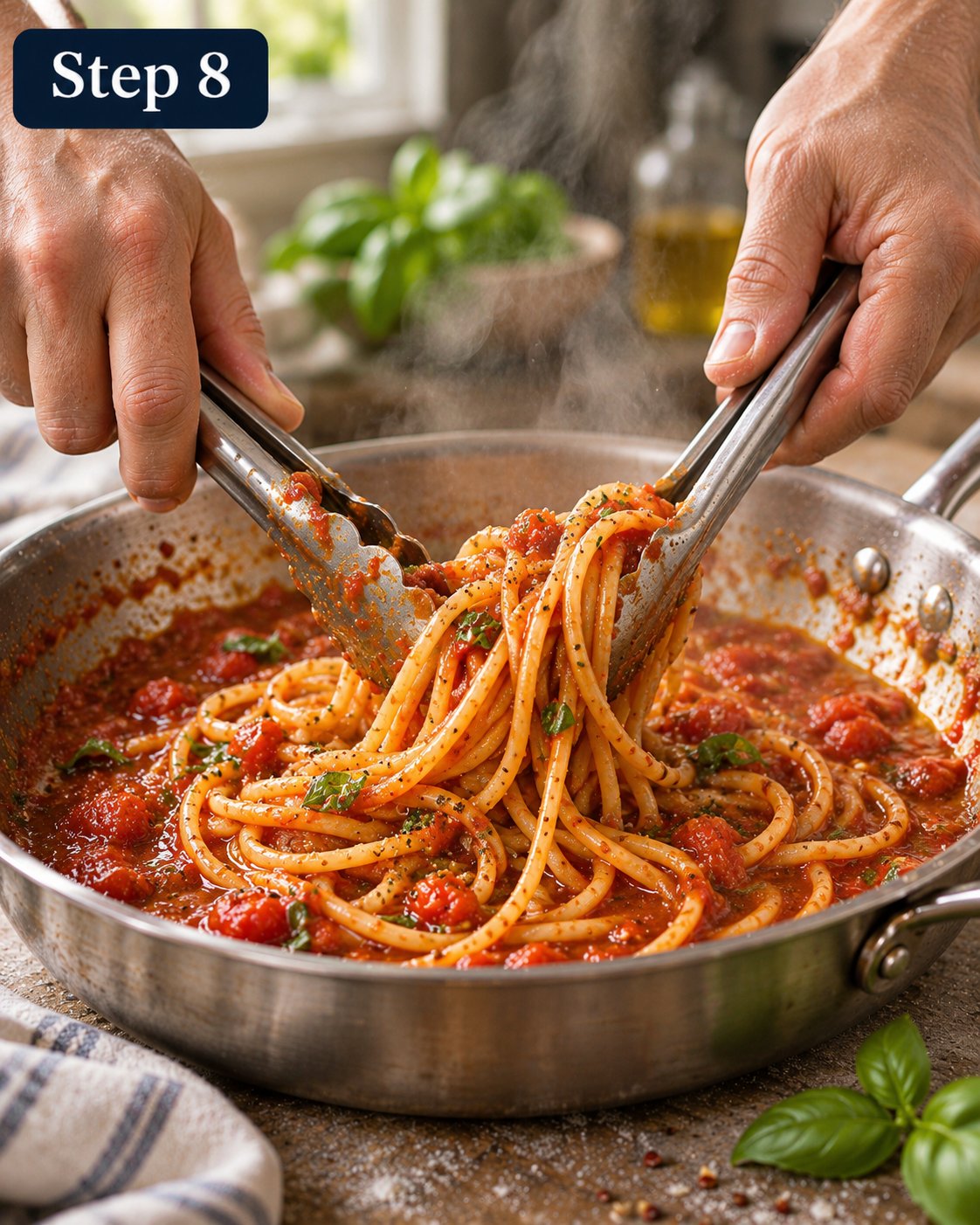
How to make pasta sauce with tomato paste is a variation: cook tomato paste in oil for a few minutes until it darkens slightly, then add water or stock a little at a time until you have a sauce. This is useful when you have no fresh tomatoes. How to make pasta sauce from tomato sauce, how to make pasta sauce with tomato sauce, and how to make pasta sauce out of tomato paste are all versions of this same idea: tomato paste or canned tomatoes, cooked in oil, thinned to a sauce consistency.
How to make pasta sauce from scratch does not mean you must start with fresh tomatoes. It means you cook the sauce yourself instead of using a jar.
How to Make Cream Sauce for Pasta
How to make a cream sauce for pasta, how to make cream sauce for pasta, and how to make a creamy pasta sauce all start with the same base: butter, cream, and cheese, or butter and cheese without cream, depending on the dish.
For a simple creamy sauce: melt butter in a pan, add cream, simmer gently for a few minutes until slightly thickened, add grated Parmesan a handful at a time, stirring until melted, and season with black pepper and a little nutmeg if you like it. Do not boil hard after adding cheese. Toss with pasta and a little pasta water.
How to make white sauce for pasta, how to make a white sauce for pasta, and how to make white pasta sauce are usually the same as a béchamel-style sauce: melt butter, whisk in flour, cook for a minute, whisk in warm milk a little at a time until smooth, and simmer until thickened. Season with salt, pepper, and nutmeg. This is a good base for baked pasta and for creamy pasta dishes.
How to make cheese sauce for pasta and how to make a cheese sauce for pasta follow the white sauce method, with grated cheese stirred in at the end, off the heat, until melted. How to make cheesy pasta and how to make cheese pasta are the same idea: pasta tossed in a cheese sauce, with pasta water to loosen it if needed.
How to make creamy pasta without heavy cream is possible: use butter and Parmesan with pasta water to make a glossy sauce, or use mascarpone, or use a white sauce made with milk. How to make cream pasta with mascarpone cheese is to melt mascarpone with a little pasta water and Parmesan, then toss with pasta. Creaminess comes from fat, pasta water starch, and tossing pasta in the sauce.
How to Make Alfredo Pasta
How to make alfredo pasta, how to make pasta alfredo, and how to make alfredo pasta sauce are among the most searched pasta dishes. The traditional Italian fettuccine alfredo is butter and Parmesan only, tossed with pasta and pasta water until creamy. The American version adds cream. Both are legitimate, but they are different dishes, and it is worth knowing which one you are making.
For a butter and Parmesan version: cook fettuccine, reserve pasta water, melt butter in a pan, add the drained pasta with a ladle of pasta water, add grated Parmesan a handful at a time, tossing until a glossy sauce forms. Season with black pepper. How to make chicken alfredo pasta is the same sauce with cooked chicken added, and how to make shrimp alfredo pasta is the same sauce with cooked shrimp added.
How to Make Pesto Pasta
How to make pesto pasta, how to make pesto sauce for pasta, and how to make basil pesto pasta all start with pesto. Traditional basil pesto is basil leaves, pine nuts, Parmesan, garlic, and olive oil, pounded or blended into a paste. For pasta, loosen the pesto with a little pasta water so it coats the noodles instead of clumping.
To make pesto pasta: cook pasta, reserve pasta water, put pesto in a bowl, add a ladle of warm pasta water and stir to loosen, then toss with the drained pasta. Do not cook pesto in a hot pan for a long time, or the basil will lose its fresh flavor and turn dark. How to make a pesto sauce for pasta and how to make pesto pasta sauce are the same method, just with the pesto loosened to a sauce consistency.
How to Make Carbonara Pasta
How to make carbonara pasta and how to make pasta carbonara are often searched together, and they are the same dish. Proper carbonara has no cream. It is eggs, hard cheese, cured pork, black pepper, and pasta water. The heat of the pasta cooks the eggs into a silky sauce, but the pan must not be so hot that the eggs scramble.
Method: cook spaghetti or rigatoni, reserve pasta water. Cook guanciale or pancetta in a pan until crisp, then take the pan off the heat. Whisk egg yolks with grated Pecorino Romano and plenty of black pepper into a thick paste. Add the drained pasta to the pan with the pork, add a ladle of pasta water, then add the egg mixture off the heat, tossing quickly until a glossy sauce forms. Add more pasta water a little at a time if it is too thick. Serve immediately, with extra cheese and pepper.
Food safety: the egg mixture in carbonara is only gently cooked by the heat of the pasta, so treat it with care. FoodSafety.gov puts egg dishes at 160 degrees Fahrenheit (71 degrees Celsius), so toss the pasta off the heat while it is still very hot and serve it right away. Do not leave carbonara at room temperature. For pregnant people, young children, older adults, or people with weakened immune systems, use pasteurized eggs or choose a different sauce.
How to Make Vodka Pasta
How to make vodka pasta, how to make vodka pasta sauce, and how to make vodka sauce for pasta are the same dish: a tomato and cream sauce with vodka. Most of the vodka cooks off as the sauce simmers, but it helps to bring out flavors in the tomatoes that water alone does not.
Method: cook garlic and chili flakes in olive oil, add tomato paste and cook for a few minutes, add vodka and simmer until mostly evaporated, add cream and simmer until thickened, season, and toss with pasta and pasta water. The sauce should be pink and smooth, not watery.
Pasta Dishes: From Simple to Special
Once you have dough, boiling, and sauce, the dishes people search for are mostly combinations. Here are the main ones, with proper methods and honest notes about where they differ from the classic version.
How to make shrimp pasta, how to make shrimp scampi pasta, and how to make cajun shrimp pasta: cook shrimp quickly in a hot pan with garlic and butter or oil, until just pink, then toss with pasta and sauce. Do not overcook shrimp, or it becomes rubbery. Cajun versions add Cajun seasoning to the shrimp and often a cream sauce.
How to make chicken pasta, how to make chicken bacon ranch pasta, and how to make cajun chicken pasta: cook chicken pieces until cooked through, then add to the sauce. For food safety, chicken must be cooked until it reaches 165 degrees Fahrenheit (74 degrees Celsius) in the thickest part, with no pink meat and clear juices.
How to make rasta pasta: this is a Jamaican-inspired dish with jerk seasoning, peppers, and a creamy sauce, often with chicken or shrimp. Season the protein with jerk seasoning, cook peppers until soft, add cream and Parmesan, and toss with pasta.
How to make cajun pasta and how to make cajun pasta sauce: Cajun seasoning, peppers, and cream are the base. Cook peppers and onions, add Cajun seasoning, add cream, simmer, and toss with pasta and protein if you want it.
How to make tuna pasta, how to make tuna pasta salad, and how to make tuna pasta mayonnaise: for hot tuna pasta, use canned tuna in a tomato or olive oil sauce. For tuna pasta salad, use cold cooked pasta, canned tuna, mayonnaise, and vegetables, chilled before serving. How to make tuna pasta with mayonnaise and how to make tuna salad with pasta are cold dishes, not hot sauces, and they should be kept refrigerated and eaten within 3 to 4 days.
How to make pasta bolognese: this is a meat sauce, not a tomato sauce with ground beef added at the end. Cook onion, carrot, and celery in olive oil, add ground beef, cook until browned, add wine if you use it, add tomatoes and milk, and simmer gently for a long time, at least 45 minutes and ideally longer, until rich and thick. Serve with tagliatelle or pappardelle, not spaghetti, in the traditional version, although spaghetti bolognese is common outside Italy.
How to make meat sauce for pasta and how to make a meat sauce for pasta are the same as bolognese in general terms, with variations in meat and cooking time. How to make gnocchi pasta is a related search, but gnocchi is a potato dumpling, not an egg pasta, so it needs a different dough, usually potato and flour. This whole guide, taken together, is a recipe for pasta, a pasta recipe from scratch, and a pasta from scratch recipe, and it covers many pastas to make, from flat shapes to salads.
How to make pasta primavera: this is pasta with spring vegetables, usually in a light butter, cream, or olive oil sauce. Cook vegetables until just tender, then toss with pasta. How to make spinach pasta, how to make zucchini pasta, and how to make green pasta are variations: spinach wilted into a sauce, zucchini cooked until soft, or green vegetables blended into a sauce.
How to Make Pasta Salad
How to make pasta salad, how to make a pasta salad, and how to make italian pasta salad are cold dishes. Cook short pasta until just done, drain, and cool it quickly. For an Italian-style version, toss the cooled pasta with Italian dressing, tomatoes, mozzarella, and herbs. How to make pasta salad with italian dressing is exactly that: dressing, not a hot sauce. How to make cold pasta salad and how to make cold pasta salad with mayonnaise are mayonnaise-based versions: refrigerate them within 2 hours of making them and eat them within 3 to 4 days. How to make tuna pasta salad follows the same cold rules: cook, cool, dress, chill, and eat within 3 to 4 days. How to make a good pasta salad comes down to seasoning the pasta while it is still warm, using enough dressing, and not letting it sit for days, because the pasta will absorb the dressing and become dry.
More Pasta Searches, Answered Briefly
How long to cook homemade pasta? Fresh homemade pasta takes 2 to 4 minutes. How to make pasta in the microwave is possible in a large microwave-safe bowl, in short bursts, stirring often, but a large pot on the stovetop gives a more even result. How to make orecchiette pasta is to roll dough into ropes, cut small pieces, and press each with your thumb into a small ear shape. How to make orzo pasta at home is not practical by hand, because orzo is a tiny extruded shape, so most cooks buy dried orzo. How to make fettuccine noodles, homemade fettuccine, and homemade fettuccine noodles all mean the flat strips described in the shapes section above.
What are the ingredients for pasta? Fresh pasta is flour, eggs, and salt. Dried pasta is usually semolina and water. Best pasta recipe, best homemade pasta recipe, easy pasta, easy homemade pasta, and easy homemade pasta recipe are not single recipes, they are searches for a reliable, simple starting point, which is the basic dough in this guide.
How to make pasta water without pasta? You cannot, because pasta water is the water pasta was cooked in. For a similar starchy liquid, whisk a small amount of flour into water, but it will not taste the same.
Is there a pasta recipe in Disney Dreamlight Valley? Yes, but it is a game recipe, not a food recipe. How to make pasta dreamlight valley and how to make seafood pasta dreamlight valley refer to in-game cooking, and they should not be confused with the food methods here.
People also search with spelling variants. Homeade pasta, home made pasta recipe, home made pasta recipes, homemade italian pasta recipe, homemade.pasta, pasta receipe, pasta recope, pasta tecipe, how to.make pasta, how to make pas, and pasta pasta are all typing or spelling variants of the same searches, not separate dishes.
How to make butter pasta, how to make buttered pasta, how to make a butter sauce for pasta, how to make garlic butter sauce for pasta, how to make garlic pasta, and how to make garlic and oil pasta are simple sauces: melted butter or olive oil with garlic, tossed with pasta and pasta water, with Parmesan if you like it. How to make pasta sauce thicker is to simmer longer and finish the pasta in the sauce with pasta water, not to add cornstarch.
How to Make Baked Pasta
How to make baked pasta: cook pasta until very al dente, mix with sauce and cheese, put in a baking dish, and bake until bubbling and golden. Undercook it at the boiling stage, because it will continue cooking in the oven.
More Shapes: Tube, Short and Filled Pasta
For tube and short shapes, the same cooking question comes up in many forms. How to make rigatoni pasta, how to make ziti pasta, how to make rotini pasta, and how to make bucatini pasta all mean the same practical thing: cook dried tube pasta in plenty of salted water until al dente, then finish it in sauce, because these shapes are rarely made well by hand at home. How to make tortellini pasta and how to make ravioli pasta are different, because they are filled shapes made from fresh sheets, with a small spoonful of filling, sealed edges, and a short cooking time in boiling water. How to make bowtie pasta and how to make bow tie pasta are the same shape, farfalle, pinched in the middle to make a bow shape, usually bought dried and cooked like other short pasta. How to make angel hair pasta means cooking very thin pasta for only a couple of minutes and tasting early, because it goes soft fast. How to make fettuccine pasta, how to make spaghetti pasta, and how to make spaghetti from scratch are often confused: fettuccine and spaghetti are both long shapes, but fettuccine is flat and often homemade, while spaghetti is round and usually bought dried, with a spaghetti dough recipe used only for hand-cut thin noodles. Fresh spaghetti, fresh spaghetti noodles, fresh linguine, and fresh linguine pasta are fresh versions of long shapes, made from the same dough as fettuccine, rolled and cut thin. Homemade linguine, a homemade linguine recipe, homemade fettuccine, homemade fettuccine pasta, and a homemade fettuccine recipe all follow that same rolling and cutting method, with the width of the strip being the main difference. Fresh fettuccine, fresh fettuccine noodles, and fresh fettuccine pasta are the same fresh flat strips, served soon after cutting. Egg fettuccine simply means fettuccine made with egg dough, and a fresh egg pasta recipe is the dough recipe behind it. Homemade egg pasta is egg pasta made at home, rather than bought fresh. A spaghetti noodles recipe, pasta noodle recipes, and a pasta noodles recipe are usually recipes for noodle dishes using spaghetti or other long pasta, not recipes for making the noodles themselves. Homemade spaghetti noodles recipe, how to make homemade spaghetti noodles, and how to make homemade fettuccine noodles are hand-cut versions, closer to angel hair than to factory spaghetti. A homemade pasta noodle recipe, homemade pasta noodles recipe, and homemade pasta noodles all mean the same hand-cut noodles, dusted with flour and cooked for a few minutes. A noodle dough recipe and egg noodles pasta are other names for the same egg dough, rolled thin and cut. How to make pappardelle pasta with kitchenaid attachments means rolling sheets with a stand mixer roller, then cutting wide ribbons by hand, and how to make pappardelle pasta recipe is the full recipe for those wide ribbons. How to make pasta with kitchenaid equipment follows the same wide-to-thin rolling rule as a standalone machine. How to make pasta in instant pot, how to make pasta in microwave, and how to make pasta from a box are shortcut methods: pressure cooking, microwave cooking, and package cooking, all of which work if you stir, taste early, and do not overcook. How to make pasta at home, how to make pasta at home easy, and how to make normal pasta all point to the same starting point: a simple dough or a box of dried pasta, cooked well, with a simple sauce. How to make pasta chips is a different use for cooked pasta: toss cooked pasta in oil and seasoning, then bake or air-fry until crisp, for a snack, not a main dish.
More Sauces: Cream, Butter, Tomato and Mayonnaise
Sauce questions come in many wordings, and most of them are the same few sauces. How to make creamy pasta sauce, how to make creamy sauce for pasta, and how to make pasta sauce creamy all mean a sauce that coats pasta smoothly, usually with cream, butter, cheese, and pasta water, tossed together in the pan. How to make your own pasta sauce and how to make home made pasta sauce are the same idea: cook the sauce yourself, rather than using a jar. How to make butter sauce for pasta, how to make a garlic butter sauce for pasta, and how to make garlic butter pasta all mean melted butter with garlic, tossed with pasta and pasta water, with Parmesan if you like it. How to make a white pasta sauce is a milk-based sauce, made from butter, flour, and milk, thickened on the stovetop. How to make a lemon butter sauce for pasta and how to make lemon butter sauce for pasta are butter sauces with lemon zest and juice, tossed quickly so the lemon stays fresh. How to make pasta sauce from tomato paste, how to make pasta sauce from fresh tomatoes, and how to make homemade pasta sauce with fresh tomatoes are three versions of tomato sauce: paste cooked in oil and thinned with water, fresh tomatoes simmered with garlic, and a homemade sauce that starts with fresh tomatoes. How to make pasta sauce with tomatoes, how to make pasta sauce with canned tomatoes, how to make pasta sauce with crushed tomatoes, and how to make pasta sauce with cherry tomatoes are the same tomato sauce with different tomato forms, all cooked with garlic and olive oil. How to make pasta with tomato sauce is simply pasta finished in that tomato sauce. How to make red pasta sauce and how to make red sauce pasta are the same tomato sauce, named for its color. How to make creamy tomato pasta sauce and how to make pink sauce pasta are tomato sauces with cream added, pink in color, simmered until smooth. How to make pasta sauce less salty, how to make pasta sauce less watery, how to make my pasta sauce thicker, and how to make pasta sauce thicker without cornstarch are troubleshooting questions, answered by simmering longer, finishing pasta in the sauce with pasta water, and seasoning carefully next time, rather than adding cornstarch. How to make sauce for pasta, how to make a good pasta sauce, and how to make good pasta sauce all come down to the same habits: cook garlic gently, season as you go, simmer until thick, and finish pasta in the sauce. How to make jarred pasta sauce better and how to make canned pasta sauce better mean heating jar or canned sauce in a pan with garlic, olive oil, pasta water, and fresh basil, to make it taste fresher. How to make alfredo pasta with jar sauce is the same shortcut for alfredo: heat jar sauce, loosen with pasta water, and toss with pasta. How to make pasta sauce with mayonnaise and how to make a pasta sauce with mayonnaise are cold sauces, not hot sauces, made by whisking mayonnaise with lemon, garlic, and seasoning, for cold pasta dishes. How to make mayonnaise pasta and how to make pasta with mayonnaise are the same cold dish, and how to make cold pasta with mayonnaise is the chilled version, kept refrigerated and eaten within 3 to 4 days.
More Dishes: Beans, Chicken, Seafood and Special Pastas
Some dishes are named for one ingredient, and their names vary by region and spelling. How to make pasta fagioli, how to make pasta fagioli soup, and how to make pasta fazool are the same bean and pasta soup, with beans, tomatoes, and small pasta, simmered until thick. How to make marry me chicken pasta is creamy chicken pasta with sun-dried tomatoes, garlic, and Parmesan. How to make lemon pasta is pasta with lemon, butter, and Parmesan, served right away. How to make feta pasta is baked feta with cherry tomatoes, mashed into a sauce and tossed with pasta. How to make healthy pasta and how to make pasta healthier mean more vegetables, whole wheat pasta if you like it, olive oil instead of butter, and a modest portion of cheese. How to make chicken pesto pasta is pesto pasta with cooked chicken added, and how to make creamy chicken pasta is chicken in a cream sauce, tossed with pasta. How to make taco pasta is pasta with taco seasoning, ground beef, and cheese, a Tex-Mex style dish. How to make salmon pasta is salmon flaked into a cream or lemon sauce, added in large pieces so it does not break up. How to make garlic shrimp pasta is shrimp cooked quickly with garlic and butter, tossed with pasta. How to make truffle pasta is pasta with truffle oil or truffle paste, used sparingly because the flavor is strong. How to make pasta with ground beef is ground beef cooked with tomatoes and seasoning, tossed with pasta. How to make potato gnocchi pasta means potato gnocchi, small potato dumplings, boiled until they float, then tossed in sauce, not egg pasta. How to make squid ink pasta is pasta made with squid ink in the dough, giving a black color and a seafood flavor, usually served with seafood. How to make chickpea pasta is pasta made from chickpea flour, bought dried or made with a gluten-free blend, cooked like other dried pasta. How to make protein pasta is pasta made with added protein, usually from legumes or eggs, cooked according to the package, because it can go soft faster than wheat pasta. How to make pasta with water, in its simplest sense, is pasta boiled in salted water and tossed with oil and cheese, with no separate sauce. How to make pasta ahead of time for a party means making the sauce ahead, then cooking pasta just before serving and finishing it in the sauce, so it does not sit and go soft. How to make the best pasta and how to make good pasta are not single recipes, they are a reminder to use good ingredients, cook pasta al dente, and finish it in sauce. How to make pasta salad dressing, how to make homemade pasta salad, and how to make tortellini pasta salad are cold dishes: a dressing of oil, vinegar, garlic, and mustard, tossed with cooled pasta, or with cooked tortellini, chilled before serving and eaten within 3 to 4 days.
More Dough, Flour and Ingredients
Dough questions also come in many forms, and most of them use the same ratio. A best pasta dough recipe, an easy pasta dough recipe, and easy homemade pasta dough all mean a dough that is easy to knead and roll, usually 100 grams of flour to 1 egg, rested for 30 minutes. A recipe for pasta dough, an italian pasta dough recipe, and a pasta ratio all refer to that same ratio, with pasta ratio meaning the flour-to-egg ratio. A homemade pasta ratio is the same ratio for home cooks, and an egg and flour pasta recipe is a dough made from eggs and flour only. Egg in pasta, egg white pasta, and what is egg pasta are questions about whether pasta contains eggs: fresh egg pasta does, dried semolina pasta usually does not, and egg white pasta, made with whites only, is less rich than yolk pasta. What is in pasta, ingredients in pasta, ingredients to make pasta, ingredients for homemade pasta, homemade pasta ingredients, and a pasta ingredients list are all the same list: flour, eggs, and salt for fresh pasta, semolina and water for most dried pasta. Flour for pasta making, flour for making pasta, best flour to make pasta, and best pasta flour all mean the same choice: all-purpose or 00 flour for fresh pasta, semolina for dusting and for dried pasta. Can you make pasta with bread flour? Yes, but bread flour has more protein, so the dough will be firmer and chewier. King Arthur pasta flour blend is a branded flour blend sold for pasta, used in the same ratio as other flours, with the package instructions as a guide. Traditional italian pasta, real italian pasta, and fresh italian pasta are not separate doughs, they are descriptions of Italian-style fresh pasta, made with fine flour and eggs. An italian noodle is an Italian-style noodle, usually fresh egg pasta, cut into long strips. A search for pasta guides on a specific food website is a search for that site’s guides, not a type of pasta, and its methods are similar to those in this guide. How to make fresh pasta dough, how to make pasta dough from scratch, how to make homemade pasta from scratch, how do you make pasta from scratch, and how do you make homemade pasta all mean the same process: mix flour and eggs, knead, rest, roll, and cut. How to make home made pasta, how to make homeade pasta, a homeade pasta recipe, and home made pasta noodles are spelling variants of the same homemade pasta, with home made pasta noodles meaning hand-cut noodles made at home. Homemade pasta by hand, a homemade pasta recipe by hand, hand made pasta, and hand rolled pasta all mean pasta rolled with a rolling pin, without a machine. Making fresh pasta, making pasta dough, and making your own pasta are the same activity, and diy pasta is the same activity described as a do-it-yourself project. Pasta homemade, pasta homemade recipe, pasta recipe homemade, and pasta recipes homemade are reverse word orders for homemade pasta, used by search engines, not natural English word order, but they mean the same thing. Pasta recipes from scratch and pasta from scratch recipes are collections of recipes for making pasta from scratch. A recipe for homemade pasta, a recipe pasta, homemade pasta ideas, and homemade pasta dishes are all ways of searching for homemade pasta recipes and ideas. Homemade pasta recipes easy, easy homemade pasta recipes, best homemade pasta recipes, a homemade pasta recipe for 2, homemade pasta easy, and quick homemade pasta all mean simple, reliable homemade pasta, with the recipe for 2 using 200 grams of flour and 2 eggs. How to make egg pasta is egg pasta made from flour and eggs, and how to make gluten free pasta and how to make gluten free pasta from scratch are gluten-free versions, made with a gluten-free flour blend, rolled a little thicker and handled gently. How to make pasta from scratch without machine and how to make homemade pasta without a machine are the same rolling-pin method, without a pasta machine. A pasta ball is the ball of dough you form before resting and rolling, and pasta to make is a general search for pasta dishes to cook.
More Cooking Questions
Cooking questions also repeat in different wordings. How to cook pasta noodles, how do you cook pasta, how do i cook pasta, and how to prepare pasta all mean boiling pasta in salted water, stirring, tasting early, draining, and finishing in sauce. How long cook fresh pasta, how long to cook fresh spaghetti, how long do you cook homemade pasta, and fresh pasta cook time all mean the same timing question: fresh pasta takes 2 to 4 minutes, thin fresh spaghetti takes 1 to 2 minutes, and tasting early is the reliable method. How to boil pasta noodles and best way to boil pasta are the same large-pot, salted-water, stirring method. How to make pasta al dente means cooking pasta until it is firm to the bite, not soft, by tasting two minutes before the package time. Pasta cooking, in general, is boiling, tasting, draining, and finishing in sauce, and pasta cooking time depends on shape and on whether the pasta is fresh or dried. Pasta maker recipes are recipes that use a pasta maker machine, with the same dough and rolling steps as other fresh pasta, but with machine settings for thickness and cutting.
Last Search Variants, in Plain Words
A few searches remain, and they are mostly spelling variants or very specific wordings. How to make homemade pasta noodles means hand-cut noodles made at home, from the same dough as other fresh pasta, cooked for a few minutes. A fettuccine noodles recipe is a recipe for fettuccine noodles, usually with a butter, cream, or tomato sauce. A handmade pasta recipe is a recipe for pasta made by hand, without a machine, rolled with a rolling pin. How to make pasta noodles from scratch means making the noodles themselves from flour and eggs, rather than buying dried noodles. How to make white sauce pasta is pasta in a white sauce, made from butter, flour, and milk, with cheese if you like it. What ingredients are in pasta? Fresh pasta contains flour, eggs, and salt, and dried pasta usually contains semolina and water. Homade pasta is a spelling variant of homemade pasta, with a letter missing, and it means the same thing. Homemade.pasta recipe is a typing variant, with a period instead of a space, and it also means a homemade pasta recipe. How to make pasta creamy means making pasta with a sauce that coats smoothly, using butter, cream, cheese, and pasta water. How to make pasta recipe is a general search for a pasta recipe, and this guide is one answer to it. An easy fresh pasta recipe is a simple fresh pasta recipe, with the basic flour and egg dough, rested and rolled thin. An egg yolk pasta recipe is a pasta recipe made with egg yolks only, richer and more golden than whole-egg pasta. Home made pasta dough is dough for homemade pasta, made at home from flour and eggs. A best fresh pasta recipe is a reliable fresh pasta recipe, and the basic dough in this guide is a good starting point for it. Homemade spaghetti pasta is spaghetti made at home, usually hand-cut thin noodles, cooked for a few minutes. How to make pasta in dreamlight valley is a game recipe, not a food recipe, for the game Disney Dreamlight Valley. How to make.pasta is a typing variant, with a period instead of a space, and it means how to make pasta. Pasta recepie is a spelling variant of pasta recipe, and it means the same thing. A paste recipe, for tomato paste, is not the same as a pasta recipe, although tomato paste can be used to make a pasta sauce. A homemade fettuccine noodles recipe is a recipe for homemade fettuccine noodles, flat strips cut by hand from fresh dough. 2 ingredient pasta is pasta made from two ingredients, usually flour and eggs, or flour and water for an egg-free version. Best way to make pasta, in practice, is to use a reliable dough or good dried pasta, cook it al dente, and finish it in sauce with pasta water.
Final Checklist: How to Make Pasta Well
- Choose fresh or dried pasta, and know the cooking time difference.
- Use the right ratio: 100 grams flour to 1 large egg for fresh pasta.
- Knead until smooth, rest for at least 30 minutes, and roll thin.
- Boil in plenty of salted water, stir at the start, and taste early.
- Finish the pasta in the sauce with pasta water, so the sauce clings.
- Serve immediately.
Making pasta improves with practice. Start with the basic dough, learn to boil pasta well, and add one sauce at a time.
Frequently Asked Questions
What is the ratio for fresh pasta dough?
Use 100 grams of flour to 1 large egg. For four people, that is 400 grams of flour and 4 large eggs. For two, halve it: 200 grams of flour and 2 eggs. Weighing the flour is more reliable than measuring cups.
How long does fresh pasta take to cook?
Most fresh flat pasta takes 2 to 4 minutes in boiling salted water, and thin angel hair takes 1 to 2 minutes. Start tasting early, because fresh pasta goes from perfect to soft very quickly.
How long does dried pasta take to cook?
Follow the package time, usually 8 to 12 minutes depending on the shape, and start tasting two minutes before it. Pasta is al dente when it is firm to the bite in the center, not crunchy and not soft.
How much water and salt do I need for pasta?
Use at least 4 liters (about 4 quarts) of water for 500 grams of dried pasta, with about 1 tablespoon of salt per 4 liters. Plenty of water, a rolling boil, and stirring at the start are what stop pasta from clumping and sticking. Do not add oil to the water, because it makes the surface slippery and stops sauce from clinging.
How long do cooked pasta leftovers keep?
Refrigerate leftovers within 2 hours of cooking. USDA guidance keeps leftovers in the refrigerator for 3 to 4 days, and reheating should bring them to 165 degrees Fahrenheit (74 degrees Celsius). Pasta salads follow the same limit: 3 to 4 days in the refrigerator.
Can I freeze fresh pasta?
Yes. Let cut pasta dry briefly on a tray, freeze it in loose nests or flat portions until firm, then bag it and cook it from frozen in boiling salted water, adding a little extra time. If you refrigerate uncooked fresh pasta instead, keep it well covered and use it within a day or two, because egg dough dries out and discolors in the refrigerator.
Is carbonara safe to eat?
Carbonara’s egg mixture is gently cooked by the heat of the pasta rather than boiled, which is why it needs care. FoodSafety.gov puts egg dishes at 160 degrees Fahrenheit (71 degrees Celsius). Toss the egg mixture with the pasta off the heat while the pasta is still very hot, and serve it right away. People at higher risk from foodborne illness, including pregnant people, children under 5, adults 65 and older, and people with weakened immune systems, should use pasteurized eggs or choose a different sauce.
Sources & references
- USDA Food Safety and Inspection Service, Leftovers and Food Safety. Used for leftovers to be refrigerated within 2 hours of cooking (1 hour if the temperature is over 90 degrees Fahrenheit), for leftovers keeping 3 to 4 days in the refrigerator or 3 to 4 months in the freezer, and for reheating leftovers to 165 degrees Fahrenheit. https://www.fsis.usda.gov/food-safety/safe-food-handling-and-preparation/food-safety-basics/leftovers-and-food-safety
- FoodSafety.gov, Cold Food Storage Chart. Used for egg, chicken, ham, tuna, and macaroni salads keeping 3 to 4 days in the refrigerator, and for cooked meat and poultry leftovers keeping 3 to 4 days. https://www.foodsafety.gov/food-safety-charts/cold-food-storage-charts
- FoodSafety.gov, Cook to a Safe Minimum Internal Temperature. Used for all poultry at 165 degrees Fahrenheit (74 degrees Celsius), for egg dishes at 160 degrees Fahrenheit (71 degrees Celsius), and for leftovers at 165 degrees Fahrenheit (74 degrees Celsius). https://www.foodsafety.gov/food-safety-charts/safe-minimum-internal-temperatures
- FoodSafety.gov, People at Risk of Food Poisoning. Used for the groups at higher risk (adults age 65 and older, children younger than 5 years, people with weakened immune systems, and pregnant women) and for using pasteurized eggs or egg products when preparing recipes that call for raw or undercooked eggs. https://www.foodsafety.gov/people-at-risk


