Short answer
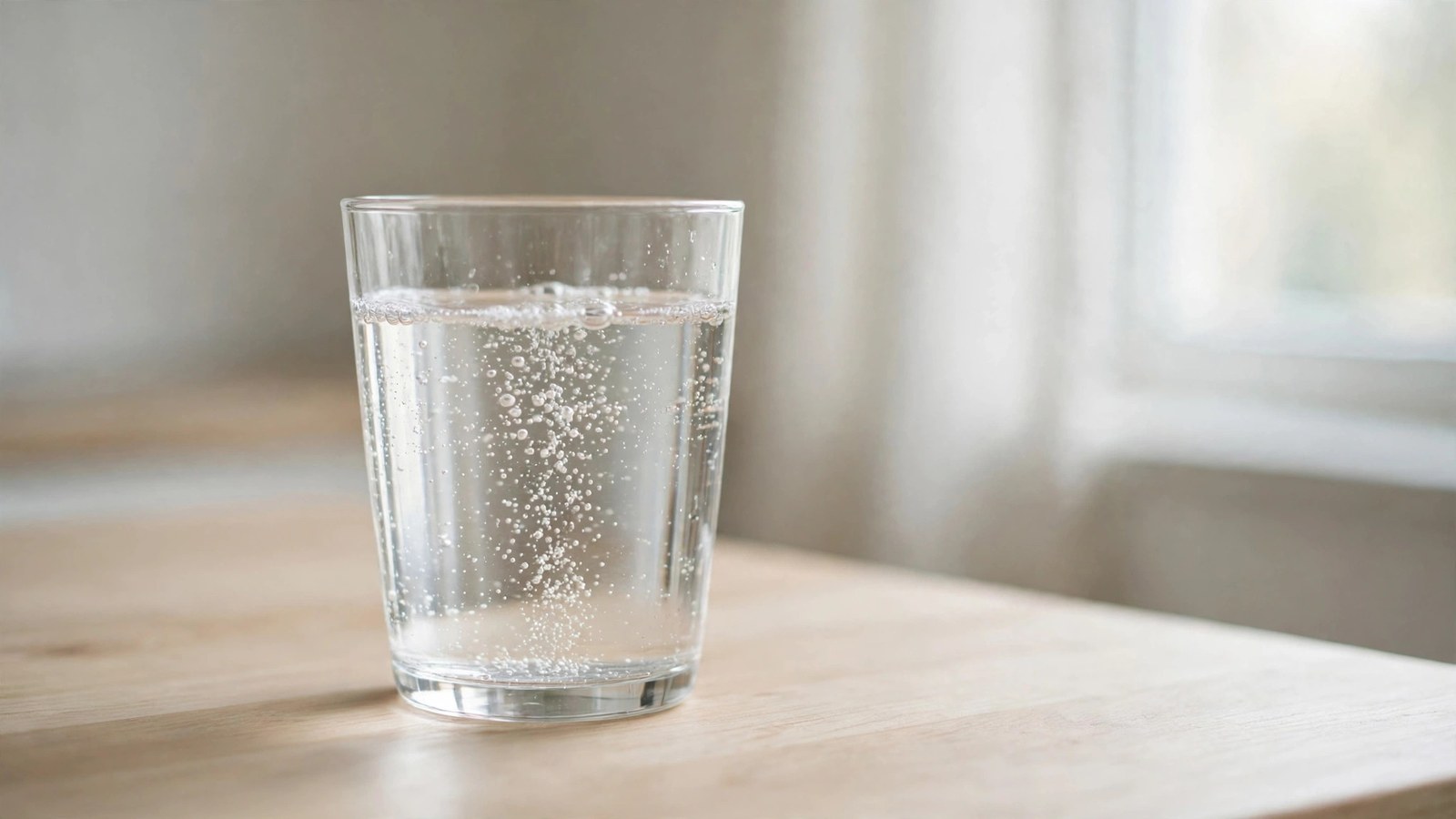
- For most people, plain seltzer water is not bad for your teeth in any meaningful sense. It is mildly acidic because carbon dioxide dissolved in water forms a weak acid, but laboratory research classifies plain sparkling water as minimally erosive, and it sits far closer to still water than to soda in its effect on enamel. The reassurance comes with three limits, and they matter more than the bubbles themselves. Flavored sparkling water is a different drink, because flavoring acids, especially citric acid, can make it far more acidic than plain seltzer. Sweetened sparkling drinks add sugar on top of acid, which brings in the separate cavity process as well. And any acidic drink sipped slowly, all day, gives teeth repeated acid exposure with little recovery time in between. Still water remains the safest drink for teeth, and it should stay your main drink, not least because fluoridated tap water supports enamel in a way that bottled seltzer does not. Read seltzer as a middle ground drink: not still water, and not soda. This article is general information only. It is not a diagnosis or a personal treatment recommendation, and if you have sensitivity, visible wear or frequent cavities, your own dentist is the right person to judge your drink habits.
What seltzer actually is, and what it is not
Names on bottles cause much of the confusion, because several different drinks share the same fizzy appearance.
Seltzer, in the strict sense used in this article, is plain water carbonated with carbon dioxide. It has no sugar, no sweetener and no flavoring acid. Sparkling mineral water is also carbonated water, but it comes from a mineral source, and its natural mineral content, including calcium in some waters, can influence how it behaves at the tooth surface. Club soda is carbonated water with added mineral salts, which is why it tastes slightly salty. Tonic water is the outlier in the group: despite the word water in its name, it is a sweetened soft drink, and it should be judged as one.
Because labeling and naming vary, the ingredient list is more reliable than the front of the bottle. Read it before you file a drink under harmless. If the list contains sugar in any form, the drink belongs in the sweetened category whatever it is called. If it contains citric acid or another added acid, it belongs in the flavored and acidic category, even if it contains no sugar and almost no calories. If the list is water and carbon dioxide, with nothing else of consequence, you are looking at the plain drink this article’s reassuring evidence actually covers.
Why carbonation makes water acidic
The fizz in seltzer is carbon dioxide gas dissolved in water under pressure. A small part of that gas reacts with water to form carbonic acid. Carbonic acid is a weak acid, and its presence is why a plain seltzer tastes faintly sharp and why its pH sits below the neutral pH of still water.
Enamel, the hard outer layer of the tooth, is a mineral surface, built mainly from calcium and phosphate crystals. Acids can dissolve that mineral. Dental researchers call the direct chemical loss of tooth surface by acid, without bacteria involved, dental erosion. Erosion is a matter of degree and exposure, not a switch. A brief, occasional contact with a weak acid is a small event that saliva is well equipped to handle. Repeated or prolonged contact with stronger acids is how measurable surface loss builds up.
Saliva is the mouth’s repair and buffering system. It dilutes and washes away acids, brings the mouth back toward a neutral pH, and supplies minerals that can reharden a surface that has only been softened at the very top. UK preventive guidance issued with NHS support describes this recovery taking roughly 20 to 40 minutes after a sugar intake, and the same basic principle explains the seltzer pattern: what saliva needs is a gap. Finish a drink and saliva gets its gap. Keep sipping and the gap never arrives.
What the pH numbers do and do not show
pH is the standard shorthand for acidity, and it needs careful handling, because a drink’s pH in the bottle is not the same thing as the pH in your mouth while you drink it, and neither figure alone settles the risk.
The most useful reference point is a large study published in the Journal of the American Dental Association in 2016, in which Reddy and colleagues measured the pH of 379 beverages sold in the United States and grouped them by erosive potential: below pH 3.0, extremely erosive; pH 3.0 to 3.99, erosive; and pH 4.0 or above, minimally erosive. Most drinks they tested, 93 percent, fell below pH 4.0. The sparkling waters in that study sat at the gentle end of the scale. Two sparkling mineral waters were measured at pH 4.96 and pH 5.25, both inside the minimally erosive zone, while lemon juice, at the other extreme, measured pH 2.25. Dental guidance summarizing the same body of research puts plain sparkling water at a pH of around 5 or higher, and gives a lemon flavored sparkling water at around pH 3, inside the erosive zone. That single comparison captures the whole article: carbonation alone lands near pH 5, while added citrus flavoring can pull a fizzy water down toward pH 3.
Two qualifications keep those numbers honest. First, pH is the primary determinant of a drink’s erosive potential, but it is not the only one. Reddy and colleagues noted that citrate, the form citric acid takes in a drink, can also remove calcium from the tooth surface by chelation, which is one reason citrus flavored drinks punch above their pH. Second, erosion research is largely laboratory research. Teeth soaked in a drink for hours or days are not teeth in a living mouth, where saliva, swallowing and fluoride all intervene. The laboratory findings show relative risk between drinks reliably. They do not translate into a personal prediction about your enamel.
What the laboratory studies found
Three findings from the published research do most of the work in this topic.
In a 2001 study in the Journal of Oral Rehabilitation, Parry and colleagues tested still and sparkling mineral waters against comparator soft drinks using extracted human teeth. Dissolution from all the mineral waters was very low. Sparkling waters caused slightly more dissolution than still waters, but the levels were roughly one hundred times lower than those of the soft drinks, and the authors concluded that mineral waters appear to offer a safe alternative to more erosive acidic beverages. They also found that removing the gas from a sparkling water reduced dissolution, but the levels remained low either way, which suggests that carbonation itself is not the main driver of erosion.
The picture changes when flavor arrives. In a 2007 study in the International Journal of Paediatric Dentistry, Brown and colleagues measured a selection of flavored sparkling waters sold in the United Kingdom. Every one tested had a low pH, between 2.74 and 3.34, and appreciable titratable acidity, meaning a meaningful total amount of acid, not just a low starting pH. In their dissolution test, the flavored waters showed erosive potential similar to or greater than that of pure orange juice, a drink already established as erosive. Their conclusion is the sharpest sentence in this field: flavored sparkling waters should be treated as potentially acidic drinks, not as water with flavoring.
Duration matters as well as strength. A 2023 in vitro study immersed human tooth samples in drinks continuously for six days and found significant mineral weight loss across the tested acidic drink groups, including carbonated soft drinks. Six days of uninterrupted immersion is nothing like drinking, and the study should not be read as a model of a glass of seltzer at lunch. What it does confirm is the direction of the mechanism: the longer tooth mineral sits in acid, the more it loses. Frequency and contact time are not footnotes to the risk. They are a large part of it.
Plain, flavored and sweetened: three different drinks
| Drink | What is in it | How the evidence treats it |
|---|---|---|
| Plain seltzer | Water and carbon dioxide, no sugar, no flavoring acid | Minimally erosive in laboratory research; the low risk fizzy option |
| Flavored seltzer, unsweetened | Water, carbon dioxide and flavoring acids such as citric acid | Potentially erosive; measured pH values in one UK study ran from 2.74 to 3.34 |
| Sweetened sparkling drink | Sugar plus acid, carbonated | A soda pattern: direct acid erosion plus sugar driven cavity risk |
| Still water | Water, no carbonation | No acid challenge from carbonation; the safest drink for teeth overall |
Citrus flavors deserve their reputation in this table. Lemon, lime, grapefruit and orange flavorings are commonly built on citric acid, and citric acid both lowers pH and chelates calcium from the surface. Adding a squeeze of lemon or lime to a glass of water at home does the same thing in miniature: lemon juice itself measured pH 2.25 in the Reddy study. None of this means one flavored seltzer ruins teeth. It means flavored versions belong in the occasional category, particularly for anyone who already has sensitivity or visible wear, and that the word flavored on a can should change how you treat the drink inside it.
Sugar changes the picture more sharply than flavor does, because it starts a second process. A sweetened sparkling drink exposes enamel to its own acid directly, and its sugar also feeds plaque bacteria, which produce acid of their own against the tooth surface. That second process is tooth decay, and it is distinct from erosion: erosion is acid dissolving mineral with no bacteria involved, while decay is bacterial acid doing the dissolving. A drink that does both is closer to soda than to seltzer in every way that matters, whatever its branding suggests.
How you drink it matters as much as what you drink
Frequency and duration explain most of the difference between a harmless habit and a harmful one. A glass of plain seltzer finished with a meal is one short acid exposure, followed by hours of recovery. The same glass carried around and sipped from morning to afternoon is a near continuous acid exposure with almost no recovery, and repeated sipping is the pattern dental guidance consistently warns against for acidic drinks of every kind.
Meals help for two reasons. Chewing stimulates saliva flow, and food itself dilutes and buffers acid to some degree, which is why UK preventive guidance advises keeping acidic food and drink to mealtimes where possible. Timing helps too. Saliva flow falls during sleep, so an acidic drink sipped right before bed gets the least natural protection of the day. And technique helps at the margin: swishing or holding a fizzy drink in the mouth before swallowing prolongs contact for no benefit, and guidance on tooth wear advises against exactly that.
None of these points turns a highly acidic, sweetened drink into a safe one. They work in the other direction. They keep a low risk drink low risk, and they reduce the exposure from an occasional flavored drink to a brief event instead of an afternoon long one.
Practical habits that keep the risk low
- Make plain, unsweetened seltzer your default fizzy drink, and treat flavored versions as occasional.
- Drink it in one sitting, ideally with a meal, rather than sipping it across the day.
- Rinse with plain still water afterwards. This washes acid away and nudges the mouth back toward neutral, and it is the simplest habit on this list.
- Wait before brushing. Guidance cited by the American Dental Association suggests brushing with fluoride toothpaste at least 30 minutes after finishing sparkling water, and other dental guidance puts the wait at at least 20 minutes. Either way, do not brush immediately after an acidic drink, because acid softened enamel is more vulnerable to abrasion.
- Keep up the basics. Brush twice a day with a fluoride toothpaste. Fluoride supports the remineralization that saliva starts, and it is part of why fluoridated tap water should remain in your routine.
- A straw can reduce direct contact between an acidic drink and the front teeth. It lowers contact; it does not remove the acid from the mouth, so treat it as a small help, not a solution.
- Keep still water as your main drink across the day. Our guide to hydration and healthy snack swaps for workdays covers practical ways to drink steadily through a working day without leaning on fizzy drinks for all of it.
Signs of erosion to watch for
Erosion develops slowly and is usually painless at first, which is why it is often a dentist, rather than the person themselves, who spots it first. Signs that are associated with acid wear include:
- Sensitivity or a short sharp twinge with hot, cold or sweet foods and drinks, as the protective enamel thins.
- Teeth that look more yellow than they used to, because thinner enamel shows more of the naturally yellower dentin beneath it.
- Teeth that look unusually smooth, shiny or rounded, or edges that look slightly translucent.
- Small dents or cupping on chewing surfaces, or fillings that start to stand proud of the surrounding tooth surface as the tooth around them wears.
None of these signs proves that seltzer, or any single drink, is the cause. Reflux, frequent vomiting, dry mouth, grinding and a generally acidic diet can all wear enamel, and several causes often act together. Whitening, for readers wondering about the color change, is a cosmetic treatment: it does not rebuild enamel that has been lost, and anyone considering it with worn or sensitive teeth should read the aftercare picture first, in our guide to teeth whitening aftercare, and raise the wear itself with a dentist before booking anything.
Who should be more careful
Plain seltzer in moderation is a low risk drink for most people, but some situations lower the margin:
- You already have sensitivity, visible erosion, receding gums or frequent cavities. Your enamel has less reserve, and a dentist who has seen your teeth can give advice this article cannot.
- You have a dry mouth, whether from a medical condition or as a side effect of medication. Saliva is the system that corrects acid exposure, so less saliva means slower recovery from every acidic drink. Do not stop or change a prescribed medicine over this; raise it with your dentist and prescriber.
- You have reflux or frequent vomiting. Stomach acid is far stronger than carbonic acid and is a major erosion source in its own right. The dental problem and the medical cause both need attention.
- The drinker is a child. Children’s teeth, including baby teeth with thinner enamel, are more vulnerable to rapid erosion, and flavored fizzy waters marketed as a light option deserve the same caution in a child’s lunchbox as they do in an adult’s fridge.
- Seltzer is not your only acid exposure. Someone drinking citrus juice at breakfast, vinegar dressings at lunch and wine in the evening is stacking exposures, and the total pattern matters more than any one drink in it.
When to see a dentist
Book a routine dental appointment and mention your drink habits if you notice new or increasing sensitivity, teeth changing color or shape, fillings sitting higher than the tooth around them, or if you know you sip flavored or sweetened fizzy drinks through most of the day. An examination can establish whether wear is actually present, how far it has gone, and whether your own pattern needs to change. That measurement cannot be done reliably in a bathroom mirror.
Treat a different set of symptoms as urgent rather than routine: severe or persistent tooth pain, swelling of the gum or face, a broken tooth, or pain that stops you sleeping. Those are not seltzer questions at all, and our guide to an emergency dentist visit explains, in general terms, which symptoms need urgent dental care and which may need hospital care instead.
Frequently Asked Questions
Does seltzer hurt your teeth?
Plain seltzer, drunk in moderation and finished rather than sipped all day, is generally low risk and far kinder to teeth than sugary soda. Laboratory research classifies it as minimally erosive. Frequent sipping, added flavoring acids and added sugar are what raise the risk.
Is seltzer water bad for your teeth if I drink it every day?
Daily plain seltzer, especially with meals, is generally low risk for most people, provided still water, ideally fluoridated tap water, remains your main drink. Daily, all day sipping is a different pattern, and daily flavored or sweetened sparkling drinks carry a clearly higher risk, especially if you already have sensitivity or erosion.
Does seltzer cause cavities?
Plain seltzer contains no sugar, so it does not feed the plaque bacteria whose acid causes cavities, and dental guidance does not treat sugar free carbonated drinks as a main cavity causing factor for an average healthy person. Its own weak acidity is an erosion question, not a cavity question. Sweetened sparkling drinks are different: they carry both risks at once.
Is sparkling mineral water the same as seltzer for teeth?
Broadly, yes, and in one laboratory comparison the sparkling mineral waters performed slightly better than their plain positioning might suggest, because their natural mineral content, including calcium, reduced dissolution at the tooth surface. Both belong in the minimally erosive category when they are plain and unsweetened. The flavored versions of either drink leave that category.
What is the safest fizzy drink for teeth?
Plain, unsweetened seltzer or sparkling water is the lowest risk fizzy option covered here. Still water remains the safest drink overall for teeth, with no acid challenge from carbonation at all.
Does adding lemon or lime to water make it worse for teeth?
Yes. Citrus juice is strongly acidic in its own right: lemon juice measured pH 2.25 in the large United States beverage study cited in this article. A squeeze of lemon turns a neutral or mildly acidic drink into a genuinely acidic one, and lemon flavored sparkling water has been measured at around pH 3. An occasional glass is a small exposure; a bottle of lemon water sipped all day is not.
Can enamel damaged by acidic drinks grow back?
No. Enamel that has been dissolved and lost does not grow back. A surface that has only been softened by a brief acid exposure can reharden, with help from saliva and fluoride, which is why recovery gaps between drinks matter. Once surface is actually lost, it is lost, and only dental treatment can restore shape or protect what remains. That is the practical reason the habits in this article focus on frequency and flavor rather than on banning bubbles.
Sources & references
- American Dental Association, ADA News summary, "Sparkling water habits to protect teeth": supports the framing that plain sparkling water is safe in moderation with only minimal erosion compared with sodas and sports drinks, that flavoring and citric acid lower pH and raise risk, that continuous sipping and replacing fluoridated tap water raise risk, and the practical habits of choosing unflavored drinks, using a straw, drinking with meals, rinsing with plain water, and brushing with fluoride toothpaste at least 30 minutes after finishing.
- Reddy A, Norris DF, Momeni SS, Waldo B, Ruby JD, "The pH of beverages in the United States", Journal of the American Dental Association, 2016: supports the erosive potential zones (extremely erosive below pH 3.0, erosive pH 3.0 to 3.99, minimally erosive at pH 4.0 or above), the finding that 93 percent of 379 tested beverages sat below pH 4.0, the measured pH values for two sparkling mineral waters (4.96 and 5.25) and for lemon juice (2.25), the definition of erosion as chemical dissolution without bacteria, and the note that citrate can remove calcium by chelation at higher pH.
- Parry J, Shaw L, Arnaud MJ, Smith AJ, "Investigation of mineral waters and soft drinks in relation to dental erosion", Journal of Oral Rehabilitation, 2001: supports the finding that dissolution from mineral waters was very low, that sparkling waters were slightly higher than still waters but roughly one hundred times lower than comparator soft drinks, and that de-gassing reduced dissolution only modestly, suggesting carbonation itself is not an important factor on its own.
- Brown CJ, Smith G, Shaw L, Parry J, Smith AJ, "The erosive potential of flavoured sparkling water drinks", International Journal of Paediatric Dentistry, 2007: supports the measured pH range of 2.74 to 3.34 and appreciable titratable acidity for the flavored sparkling waters tested, their erosive potential similar to or greater than pure orange juice in vitro, and the conclusion that flavored sparkling waters should be treated as potentially acidic drinks rather than water with flavoring.
- Surarit R and colleagues, "Erosive potential of vitamin waters, herbal drinks, carbonated soft drinks, and fruit juices on human teeth: An in vitro investigation", 2023 (PubMed Central, PMC10676538): supports the finding that prolonged continuous immersion of human tooth samples in acidic drinks, including carbonated soft drinks, produced significant mineral weight loss over six days, and the general account of erosion as permanent loss of dental hard tissue.
- Colgate oral health guidance, "Is Sparkling Water Bad For Your Teeth?", summarizing Journal of the American Dental Association research and National Institutes of Health material: supports the statements that most sparkling waters ranked as minimally erosive while many sports drinks ranked as extremely erosive, that plain sparkling water has a pH of around 5 or higher, that a lemon flavored sparkling water sits at around pH 3, that sparkling water should not replace fluoridated water, and the advice to wait at least 20 minutes after drinking sparkling water before brushing.
- Department of Health and Social Care and NHS England, "Delivering Better Oral Health", Chapter 10, healthier eating: supports the account of saliva returning mouth pH to normal over roughly 20 to 40 minutes, why frequency of intake matters, keeping acidic and sugary food and drink to mealtimes, avoiding sugary intake at bedtime when saliva flow is reduced, and advising against swilling and swishing acidic drinks.


