Short answer
- If bees are near your home, start by giving them space and working out what kind of insect you are seeing. A honey bee swarm resting in a cluster outdoors is often temporary, and the safest first step is to keep people and pets away and contact a local beekeeper or your county extension office for advice. Beekeepers can often collect a swarm and move it to a managed hive, which protects both your household and the bees. Do not spray a swarm or a hive, swat at bees, or block an entrance while bees are still using it. Spraying and blocking can make bees more defensive, trap them inside a wall, and leave honeycomb that attracts other pests. For bees inside a wall, chimney, or another hard to reach place, use a professional removal service rather than trying to reach the colony yourself. For a few bees visiting a porch or garden, the practical work is usually simpler. Cover food and sweet drinks outdoors, clean up spills, keep trash bins closed, and move seating a short distance from a busy flight path if you can. Seal cracks and gaps only after you are sure no bees are using that opening. Prevention works best when it removes the food, water, and shelter that drew bees to the area in the first place.
Why Bees Show Up Around a Home
Bees visit homes for the same basic reasons they visit gardens. They need nectar and pollen from flowers, water on hot days, and a sheltered place to rest or nest. A flowering shrub beside a door, a leaky outdoor faucet, an uncovered trash bin, or a sugary drink left on a table can all bring bees close to people, even when no hive is nearby.
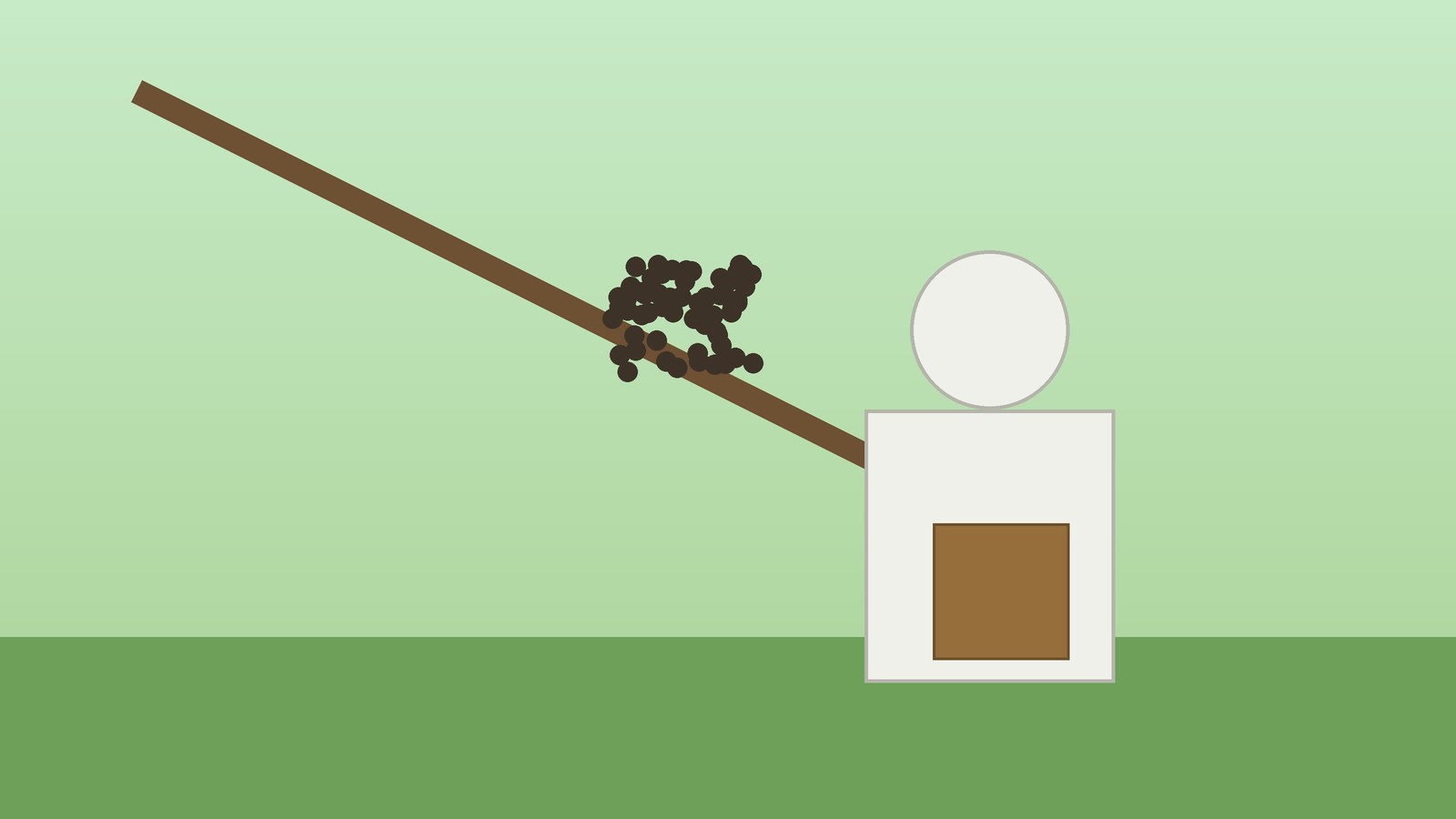
A swarm is different from a few foraging bees. A swarm forms when part of a honey bee colony leaves its old home to find a new one. The bees gather in a cluster, often on a branch, fence, or wall, while scout bees search for a suitable cavity. This cluster can look alarming because it contains many bees in one place, but a resting swarm is usually focused on finding a new home, not on defending a nest.
An established hive or nest is different again. Once bees have moved into a wall cavity, a hollow tree, a shed, or a similar sheltered space and started building comb, they have a home to defend. That is why the right response depends on location and timing. A cluster on a branch calls for patience and a phone call to a beekeeper. A colony inside a structure calls for professional assessment before anyone seals an opening or opens a wall.
Season and weather also matter. Bees are most active in warm weather when flowers are in bloom. A sudden increase in bees around a porch in spring or summer may simply reflect a nearby colony foraging, while steady traffic in and out of one small hole in a wall often points to a nest inside. Watching from a safe distance, without standing in the flight path, usually gives you the clearest picture.
First, Identify What You Are Seeing
Correct identification protects pollinators and keeps you from treating the wrong insect with the wrong method. Many insects called bees are actually wasps or hornets, and their nests and behavior call for different handling.
Honey bees are generally fuzzy, golden brown to brown in color, and rounder in body shape than wasps. They collect nectar and pollen, and they are important pollinators for crops and gardens. The United States Department of Agriculture reports that pollination by honey bees alone adds more than 15 billion dollars in value to agricultural crops each year. That value is one reason relocation is preferred over killing whenever honey bees can be moved safely.
Wasps, including yellowjackets and paper wasps, are usually smoother and shinier than bees, with a narrow waist and bright yellow and black or reddish markings. Hornets are a type of wasp, and they tend to be larger and bulkier. Wasps build papery nests under eaves, in wall voids, or in the ground, while honey bees build wax comb in cavities. If you see a gray papery nest, smooth bodied insects with narrow waists, and fast darting flight, you are more likely dealing with wasps than honey bees.
Other bees also nest in different places. Some solitary bees nest in the ground or in small holes, and they do not form a large hive. A small number of bees around a garden bed or a patch of bare soil may be solitary bees going about their work, not a colony that needs removal. This article focuses on the common household problem of honey bees near or inside a home. For a fuller guide to bee types, see the related Amberaisle article on different kinds of bees. For carpenter bees and bumble bees, see the related articles on those topics, which cover their nesting habits and sting questions in more detail than this guide does.
If you cannot identify the insect with confidence, take a photo from a safe distance and describe the nest, the location, and the flight pattern when you contact a beekeeper, extension office, or pest professional. A clear description helps them tell you whether relocation, monitoring, or professional removal is the right next step. Do not get close to a nest to get a better look, and do not disturb it to see how the insects react.
What Not to Do
The fastest way to make a bee problem worse is to act on the nest before you understand it. Avoid these common mistakes.
Do not spray bees, a swarm, or a hive with water, household cleaners, or any chemical product as a first step. Spraying can agitate bees, harm pollinators, and still leave a colony in place. It can also leave residue where children, pets, and other wildlife may come into contact with it. This guide does not recommend specific pesticide products, and it does not recommend mixing cleaners or chemicals.
Do not swat at bees or wave your arms near a nest. Sudden movement near a colony can be read as a threat. Move calmly away from the area, and keep children and pets indoors until the immediate area is clear.
Do not seal an entrance while bees are still using it. Bees trapped inside a wall may find another way into living space, and an abandoned comb can attract ants, flies, and other pests. Sealing is a prevention step for after bees have gone, not a removal method for an active colony.
Do not try to remove a large hive, a hive inside a wall, or a hive high above the ground by yourself. You may need a ladder, protective gear, and a plan for the comb and the bees. A beekeeper or a professional removal service has the equipment and experience to judge whether the colony can be moved whole and how to handle the cavity afterward.
Do not use mothballs, burning materials, or improvised smoke near a nest. These approaches create fire risk, can harm bees and other wildlife, and can push bees into living areas. Smoke is a tool used by trained beekeepers under controlled conditions, not a safe do it yourself method for a homeowner.
Finally, do not assume every bee needs to be removed. A few bees visiting flowers, a water source, or a garden are doing pollination work. If they are not nesting in your home and not blocking a doorway or play area, the best response may be to leave them alone and make the seating area less attractive, rather than trying to clear the garden of bees entirely.
A Safe Step by Step Plan
Use this plan in order. It keeps people safe, protects pollinators, and avoids creating a larger problem inside your home.
Step 1: Keep your distance and observe
Move people and pets away from the nest or swarm. Watch from indoors or from a distance that does not put you in the flight path. Note the location, whether bees are entering one hole or several, whether they are clustered or flying in and out steadily, and whether the insects look fuzzy or smooth. This information will help a beekeeper or professional give useful advice.
Step 2: Reduce attractants around the area
While you wait for advice, lower the draw of the immediate area. Cover sweet drinks and food when eating outdoors, wipe up spills, rinse recycling before it goes in the bin, and keep trash bins closed. Fix a dripping outdoor faucet if you can do so without going near the nest, and empty standing water that is not needed. These steps do not move an established hive, but they can reduce the number of foraging bees around a porch, table, or play area.
Step 3: Make seating areas less inviting
If bees are visiting a seating area rather than nesting in it, try a small change in layout first. Move a table a few feet from a flowering shrub or a busy flight path if space allows. Keep food covered until it is served, and clear plates promptly after a meal. Strong scents, including scented candles and heavily perfumed products, are sometimes used around seating areas, but results vary and scent alone is not a reliable way to move an established colony. Treat scent as a minor seating area measure, not as a removal method.
Step 4: Contact a beekeeper for a honey bee swarm or accessible hive
For a honey bee swarm or an accessible colony, contact a local beekeeper or beekeeping association, or ask your county extension office for a referral. University extension guidance notes that property owners can often get a referral through their county extension agent, and that experienced beekeepers can collect a swarm by brushing or shaking bees gently into a container and carrying them away. Give the beekeeper the location, the height, how long the bees have been there, and whether the site is easy to reach. Ask whether relocation is possible and what preparation, if any, is needed on your side.
Step 5: Use a professional for hives inside a structure
If bees are inside a wall, chimney, roof void, or another enclosed space, contact a professional bee removal service. The professional can assess whether the colony can be removed whole, what access is needed, and how the cavity should be cleaned and closed afterward. This step matters because comb left inside a wall can attract other pests and cause odor and damage over time. Do not open a wall yourself to reach a colony.
Step 6: Seal and clean up only after bees have gone
Once a beekeeper or professional confirms that bees have left or been removed, seal the opening they used. Use caulk, mesh, or another suitable material for the surface, and check nearby cracks, vents, and gaps that could serve as a new entrance. Clean the area so that scent and residue do not attract a new swarm to the same spot. Keep an eye on the sealed area for a few days in case bees are still trying to return to a familiar cavity.
Bees in Common Locations
The best response depends on where the bees are. Use the location as a guide, but keep the same safety rule throughout: do not approach an active nest, and call for help when the colony is large, high, or inside a structure.
Bees on a porch, patio, or deck are often foragers rather than a nest. Cover food, close bins, and check whether bees are entering a gap in decking, siding, or a light fixture. If they are only passing through, reducing attractants and shifting seating may be enough. If steady traffic goes in and out of one gap, treat it as a possible nest and get professional advice before sealing.
Bees under eaves or in a roof void may be a colony that has found a sheltered cavity. Do not seal the eave while bees are active, and do not work on a ladder near the colony. A professional can judge access, whether relocation is possible, and how to close the void after removal.
Bees in a wall are a professional job. The colony may be larger than it looks from outside, and comb inside the wall needs proper handling after removal. Keep the room on the other side of the wall calm and closed off if bees are finding their way indoors, and contact a removal service promptly.
Bees in a chimney need care because smoke and heat do not safely solve the problem and can drive bees into living space. Do not light a fire to drive bees out. Contact a beekeeper or professional who can assess the chimney and advise on removal and on capping or screening after the bees have gone.
A swarm on a tree, fence, or other outdoor surface is often the easiest case for a beekeeper to handle, provided it is reachable. Keep people away, do not spray the cluster, and call a beekeeper or extension office. University of California guidance notes that swarm clusters are temporary by nature and often do not need to be managed at all, because the bees will leave once they find a suitable new nesting site. If the swarm is in a busy walkway, near a school entrance, or in another high traffic spot, removal is still the safer choice.
Ground nesting bees need a different judgment. Some ground nesting bees are solitary and pose little problem in a garden bed, while a large ground nest near a path or play area may need professional advice. Do not dig up a ground nest to see what is inside, and do not pour liquids into an entrance. Mark the area so children and pets avoid it until you have advice.
Bees around a pool, birdbath, or water feature are usually seeking water. Provide an alternative shallow water source away from the main seating area if you can do so safely, and keep pool areas free of sugary spills. Do not add chemicals to a water source to deter bees, and do not disturb a nest that happens to be near the water.
Bees in a shed, garage, or outbuilding follow the same rule as bees in a wall. Keep the door closed, do not work inside the building near the colony, and ask a beekeeper or professional whether the colony can be moved. After removal, seal gaps around doors, vents, and roof edges before using the building normally again.
How to Keep Bees From Coming Back
Prevention is quieter and more effective than repeated removal. It works by taking away the shelter, food, and water cues that make a home attractive to a new colony.
Seal the home in a planned way. Check eaves, soffits, vents, window frames, door frames, and places where pipes or cables enter the house. Repair damaged screens, close gaps in siding, and fit mesh over vents that need airflow. Do this sealing work in cooler weather or at a time when you have confirmed that no bees are using the openings, so you do not trap a colony inside.
Manage the garden with pollinators in mind. You do not need to remove flowers to keep bees away from a doorway. Instead, keep dense flowering plants a little farther from entrances and seating areas when you have a choice, and prune shrubs that press against siding or block vents. A tidy garden edge makes it easier to spot a new nest early, and it reduces sheltered gaps where a colony might settle unnoticed.
Control food and water cues. Keep outdoor trash bins closed and clean, rinse sweet containers before recycling, and avoid leaving pet food outdoors for long periods. Fix leaks at outdoor faucets and hoses, and empty containers that collect rainwater if they are not needed. These habits help with wasps and ants as well, and they reduce the general insect traffic around a home.
Plan for the next season. In late winter or early spring, before colonies are active, walk around the home and note any new gaps, damaged vent covers, or loose boards. Early sealing is easier than midseason removal. If bees have used the same spot before, pay special attention to that area, because a familiar cavity and leftover scent can draw a new swarm to the same place.
If you want to support pollinators while keeping them away from doors and play areas, plant pollinator friendly flowers farther from the house, in a sunny garden bed or border. That approach gives bees forage without placing a busy flight path across a walkway. It also fits the wider goal of protecting pollinators: the aim is not to remove bees from the landscape, but to keep them out of the small set of places where they create a safety or structural problem.
When to Call a Professional Right Away
Some situations should not wait for a do it yourself attempt. Contact a beekeeper or professional removal service promptly if any of the following apply.
The colony is inside a wall, chimney, roof, or another enclosed space. The swarm or nest is high above the ground or otherwise hard to reach. The nest is in a school, care setting, medical facility, or another place where many people, including children, pass close by. The nest is blocking a doorway, stairway, or emergency exit. You are unsure whether the insects are bees or wasps, and the nest is large or defensive. You have tried reducing attractants and the colony remains in a place where people cannot avoid it.
If you have a known allergy or a reaction that worries you, seek professional medical help right away.
A professional can also advise when a nest should simply be left alone for a short time. A temporary swarm in a low traffic corner of a garden, for example, may leave on its own. That advice is worth getting, because it prevents an unnecessary removal and protects a pollinator colony that was never a real threat.
Living With Bees in the Wider Garden
Not every bee near a home is a problem to solve. Gardens depend on pollinators, and many bees you see on flowers are foraging, not nesting in your house. A calm approach to foraging bees is part of good garden practice: walk steadily, avoid sudden swatting, keep food covered, and give a visible nest a wide berth.
Children can learn the same rule in simple form. Bees are working insects, not toys, and a nest is not a place to poke or throw objects at. Teaching that rule early reduces the chance of a defensive response and helps children feel less fearful when they see bees on flowers.
If a neighbor reports bees, share what you have learned about identification and beekeeper referral, rather than suggesting a spray or a seal. A neighborhood that routes honey bee swarms to beekeepers protects local pollination, and it avoids the repeated problem of comb left inside walls when a colony is killed but not removed.
The goal of this guide is not a garden with no bees. It is a home where bees can pollinate flowers and crops, while doorways, play areas, and wall cavities stay clear. That balance is achievable when identification comes first, relocation is preferred for honey bees, and sealing and cleanup happen after bees have gone.
Frequently Asked Questions
How do I get rid of bees fast?
There is no safe instant method for an established colony, and speed should not come before safety. For a few foraging bees, covering food, closing bins, and moving seating can reduce visits quickly. For a swarm, call a beekeeper or extension office, because a beekeeper can often collect the swarm in one visit. For a hive inside a structure, a professional assessment is the fastest safe route, because it avoids trapping bees, leaving comb, or creating a repeat problem.
Will bees leave on their own?
A resting swarm often will leave once scout bees find a suitable new home, and university guidance describes swarm clusters as temporary by nature. A colony that has moved into a wall cavity or another sheltered space and started building comb is less likely to leave on its own, and it should be assessed by a beekeeper or professional. If bees are only visiting flowers or a water source, they will come and go with foraging, but that is not the same as a nest leaving.
How do I get rid of bees without killing them?
For honey bees, the humane route is relocation by a beekeeper when the colony is accessible, or professional removal when it is inside a structure. Reduce attractants around seating areas, keep food covered, and avoid spraying the colony. After bees have gone, seal the entrance and clean the area so a new swarm does not settle in the same spot. This approach protects pollinators while still solving the household problem.
Can I remove a beehive myself?
A small, accessible swarm is a job for a beekeeper, not a homeowner, unless you have beekeeping training and protective gear. A hive inside a wall, chimney, or roof void is a professional job in almost every case, because of access, comb removal, and cleanup. Homeowner work should focus on observation from a distance, reducing attractants, contacting the right helper, and sealing and cleaning after removal is complete.
What scent keeps bees away?
No scent is a reliable removal method for an established hive, and scent should not be presented as a guaranteed repellent. Strong scents are sometimes used around seating areas to make a spot less appealing, but results vary, and a colony with comb and brood will not abandon its home because of a candle or a sprinkle of spice. If scent seems to help around a table, use it only as a minor seating area measure, and still address food, water, and entrance sealing.
How do I keep bees out of my house?
Seal gaps only after you are sure no bees are using them, and focus on eaves, vents, window and door frames, and entry points for pipes and cables. Keep screens in good repair, keep food and trash contained, and check the same spots each spring for new gaps. If bees are already inside a wall or entering through a fixture, do not seal the opening until a professional has assessed the colony, because trapped bees may find another route indoors.
Are bees in the ground dangerous?
Ground nesting bees vary, and identification matters. Some ground nesting bees are solitary and cause little trouble in a garden bed, while a large ground nest near a path or play area deserves professional advice. Do not dig into a ground nest or pour liquids into it. Mark the area, keep children and pets away, and ask a beekeeper, extension office, or professional whether the nest needs attention or can be left alone for the season.
What should I do if I find a swarm on my property?
Keep people and pets away, do not spray or disturb the cluster, and contact a local beekeeper or county extension office for a referral. Note the location, height, and how long the swarm has been there, because that helps the beekeeper plan the collection. If the swarm is in a busy walkway or near a doorway, say so when you call, so the visit can be prioritized.
Keep reading: Are Elephants Afraid of Mice
Sources & references
- United States Department of Agriculture, Natural Resources Conservation Service, Pollinators and Honeybees.
- United States Department of Agriculture, Pollinator Week Brings Focus on Honey Bee Health.
- University of California Integrated Pest Management Program, Removing Honey Bee Swarms and Established Hives.
- University of Georgia College of Agricultural and Environmental Sciences Bee Program, Catching Swarms.
- University of Arkansas Division of Agriculture Cooperative Extension Service, Removing Honey Bees and Honey Bee Swarm guidance.
- Cornell Cooperative Extension, Pollinators guide.
- United States Geological Survey, It is Pollinator Week.


